Winter Surfboards: Your Ultimate Cold Water Quiver Guide
Selecting the right winter surfboards is crucial for colder waters, where heavy wetsuits and challenging conditions demand extra volume and specific designs. This guide focuses on optimal cold water surfboards, detailing how to choose boards that enhance paddling, stability, and control in winter waves.
Surfboard Life · May 11, 2026 · 13 min read
Winter Surfboards: Your Ultimate Cold Water Quiver Guide
Winter surfing presents unique challenges, from frigid temperatures to heavier, more powerful swells and tricky choppy wave conditions. To truly excel, or even just enjoy, your sessions in colder climates, selecting the right winter surfboards is paramount. These specialized boards often feature increased volume, specific outlines, and construction tailored to combat the drag of thick wetsuits and the unpredictable nature of winter swells, ensuring you stay warm, catch more waves, and maintain control. This guide will dive deep into everything you need to know about choosing the best cold water surfboards for your winter adventures.
Why Your Summer Board Won't Cut It: The Cold Water Reality
Transitioning from warm water to cold water surfing isn't just about donning a thicker wetsuit; it fundamentally changes your interaction with your surfboard. Heavy neoprene, booties, gloves, and hoods significantly add to your body's bulk and resistance in the water. This increased drag directly impacts your paddling efficiency and overall buoyancy. A board that felt perfect in boardshorts might feel sluggish and difficult to paddle when you're geared up in 5/4mm neoprene.
Winter surfboards are specifically designed to counteract these effects. They typically boast more volume and slightly different rocker profiles to enhance paddling power, allowing you to get into waves earlier and overcome the added drag of your wetsuit surfing boards. This extra float also provides better stability in often turbulent, choppy wave surfboards conditions that are common during winter swells. Ignoring these factors can lead to frustrating sessions, missed waves, and unnecessary fatigue.
The Impact of Wetsuits on Surfboard Choice
Think about it: a 5/4mm wetsuit can easily add 5-10 pounds of buoyancy and substantial drag. This translates to needing a board that offers greater intrinsic flotation. According to experienced shapers, adding 1-2 liters of volume to your usual summer board dimensions is a common recommendation for wetsuit surfing boards. For example, if you typically ride a 30-liter shortboard in summer, a 31-32 liter equivalent might be your sweet spot for winter. This extra volume helps compensate for the reduced natural buoyancy and increased resistance caused by your thick neoprene. You can use our Volume Calculator to assess how much extra volume you might need based on your weight and wetsuit thickness. Pro surfers often keep a separate quiver dedicated just for cold water contests, highlighting the importance of this distinction.
Pro Tip: Don't underestimate the impact of wetsuit thickness. A 6mm hooded wetsuit demands significantly more float than a 3mm spring suit. Always factor in your full winter gear when considering board volume.
Key Characteristics of Ideal Winter Surfboards
When searching for the perfect cold water surfboards, there are several key design elements to prioritize. These features are specifically tailored to help you navigate the unique demands of winter conditions.
Volume and Foiling: Your Winter Lifeline
The most critical factor for winter surfboards is increased volume. As discussed, wetsuits necessitate more buoyancy. This volume isn't just about length, but also width and thickness. Look for boards with a slightly fuller outline, especially through the nose and tail, and a thicker profile from nose to tail. The concept of foiling — how the thickness of the board is distributed – is also crucial. A flatter deck and more consistent thickness through the rails can provide maximum paddle power and stability, especially when dealing with choppy wave surfboards conditions.
For most surfers, adding 1-3 liters of volume compared to their standard warm-water shortboard is a good starting point. For longer boards like mid-lengths or longboards, the increase might be less dramatic but still noticeable. Deeper concaves and a more forgiving rail shape can also complement this added volume, providing a nice blend of speed and control. More details on how board features affect performance can be found in our comprehensive Surfboard Anatomy guide.
Rocker Profile: Finding the Balance
The rocker (the curve of the board from nose to tail) is another vital element. While aggressive rocker can be good for critical turns, too much can hinder paddling speed, particularly important when battling winter currents and the drag of a wetsuit. For winter surfboards, a more moderate, lower rocker profile is often preferred. This allows for easier wave entry and maintains speed through flatter sections, which are common in less organized winter swells. However, a slight, continuous curve or a bit of tail rocker can still provide maneuverability and responsiveness in powerful, steeper waves. The goal is a balance that offers both paddle power and controlled turning ability.
Outline and Shape: Stability and Drive
The overall outline of your cold water surfboards plays a significant role in its performance. Wider noses and tails provide stability and lift for paddling. Boards with a straighter rail line tend to generate more speed, which is beneficial for punching through strong currents and catching waves earlier. Fish shapes, hybrid designs, and even performance-oriented funboards often excel as wetsuit surfing boards due to their generous outlines and added surface area. These shapes offer great drive and facilitate easier rail-to-rail transitions even with restricted movement from thick neoprene. Check out our Board Types Guide for a deeper dive into different board outlines and their typical performance characteristics.
Construction and Durability: Built for the Battle
Winter conditions can be harsh on equipment. Stronger constructions are often preferred for winter surfboards. Traditional PU/PE (polyurethane/polyester) boards are a popular choice due to their flex and dampening properties in choppy conditions. Epoxy (EPS/Epoxy) boards offer greater durability and buoyancy, which can be a huge advantage for cold water surfboards, but some surfers find them too chattery in rough surf. Regardless of the material, reinforced fin boxes and ding-resistant lamination can save you from costly Repair Center visits. Make sure your chosen construction can withstand the inevitable bumps and bangs of winter beach breaks.
Optimal Winter Surfboard Categories
Different types of boards cater to various styles and conditions prevalent during the colder months. Building a well-rounded winter quiver means considering these specific categories.
The Performance Hybrid: Your Go-To Winter Workhorse
For many, the performance hybrid is the quintessential winter surfboard. These boards blend the best of both shortboards and funboards. They often feature a slightly wider nose and tail, a moderate rocker, and a substantial amount of volume packed into a shorter length (typically 5'8" to 6'6"). This design makes them excellent wetsuit surfing boards as they paddle efficiently, offer stable platforms for take-offs, and still allow for dynamic turning. Brands like Channel Islands with their CI Mid Twin or Lost with models like the Puddle Jumper series are popular choices in this category. They excel in a variety of conditions, from overhead points to punchy beach breaks.
The Fish or Traditional Twin Fin: Speed and Glide in Winter Slop
Traditional fish shapes and modern twin fins are fantastic choppy wave surfboards. Their characteristic wide outlines, generally flatter rocker, and ample volume make them incredibly fast and easy to paddle. They glide over weak sections and generate speed even in less-than-perfect, mushy winter waves. The twin fin setup, often coupled with a wider tail, provides a loose, skatey feel that can be incredibly fun. While perhaps not ideal for critically vertical surfing, their ability to make the most out of modest conditions makes them indispensable in a cold water surfboards quiver. Look for fish shapes with a bit of extra tail area for stability in turbulent water. Check out Stab Magazine (stabmag.com) for reviews on various twin fin designs.
The Step-Up: For Serious Winter Swells
When the winter swells really start to pump, a dedicated step-up board becomes essential. These are longer, slightly narrower boards with higher volume than your standard shortboard. They are designed for superior paddle power, early entry into big waves, and maximum hold in powerful, hollow conditions. A step-up will typically have slightly more rocker for control in steep faces and a narrower, rounded pintail or swallowtail for drive and hold. While not your everyday winter surfboard, it's a critical component if you plan to tackle overhead to double-overhead winter bombs. World Surf League (worldsurfleague.com) events in places like Pipeline showcase pros riding scaled-up versions of their shortboards for these conditions.
Mid-Lengths and Mini Mals: The Winter Wave Catching Machines
For those who prioritize wave count and glide during winter, especially in smaller to medium conditions, mid-lengths (7'0"-8'6") and mini mals (7'0"-9'0") are excellent cold water surfboards. Their sheer length and volume make paddling a breeze, allowing you to catch waves with minimal effort, even with a heavy wetsuit. They are incredibly stable and forgiving, perfect for staying warm by maximizing your time on waves rather than battling currents. While less maneuverable than shorter boards, they offer a smooth, flowing ride. They are also great wetsuit surfing boards for beginners or those looking for a more relaxed session, as described in our Learn to Surf guide. Surfline (surfline.com) often highlights the versatility of these board types for everyday conditions.
Pro Tip: Consider a slightly stiffer flex pattern in your winter surfboards for maximum drive through choppy water. Carbon strip reinforcements can help achieve this without making the board too rigid.
Fin Considerations for Cold Water Surfing
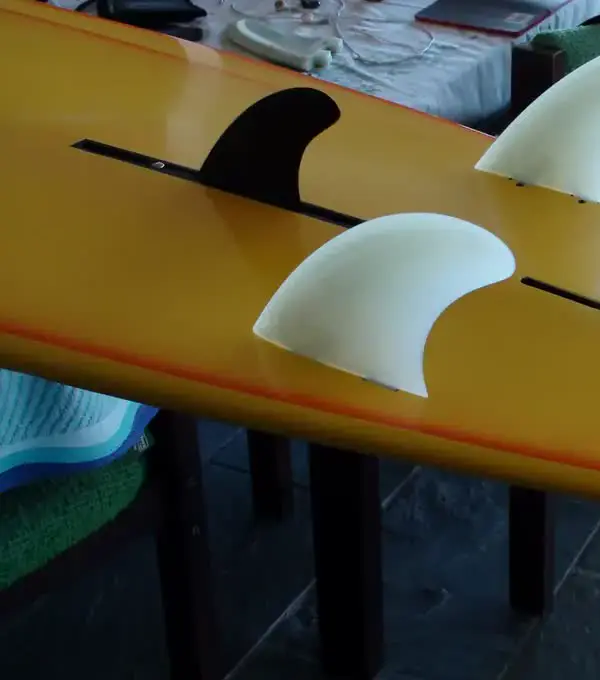
Just as crucial as the board itself are your fins. Cold water fins often need to provide more drive, hold, and control than their warm-water counterparts. The characteristics of winter waves – often powerful, sometimes chunky, and frequently accompanied by strong currents – demand specific fin setups.
Drive and Hold: Why More Surface Area Matters
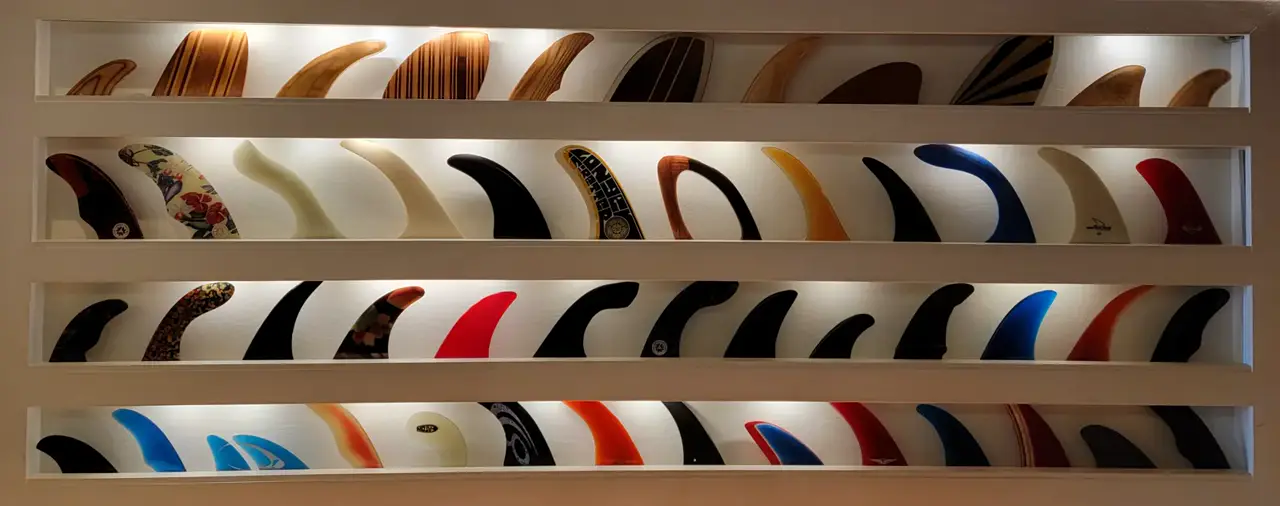
For wetsuit surfing boards in winter, fins with more surface area (larger size) and a fuller template are generally preferred. These offer increased drive and hold, helping you maintain speed and control through powerful sections and prevent 'slippage' in choppy conditions. A larger base can enhance drive, while a fuller tip can provide better hold through turns. This becomes especially important when your body's movements are restricted by thick neoprene; the fins need to do more of the work.
Fin Setups: Thruster, Quad, and Twin
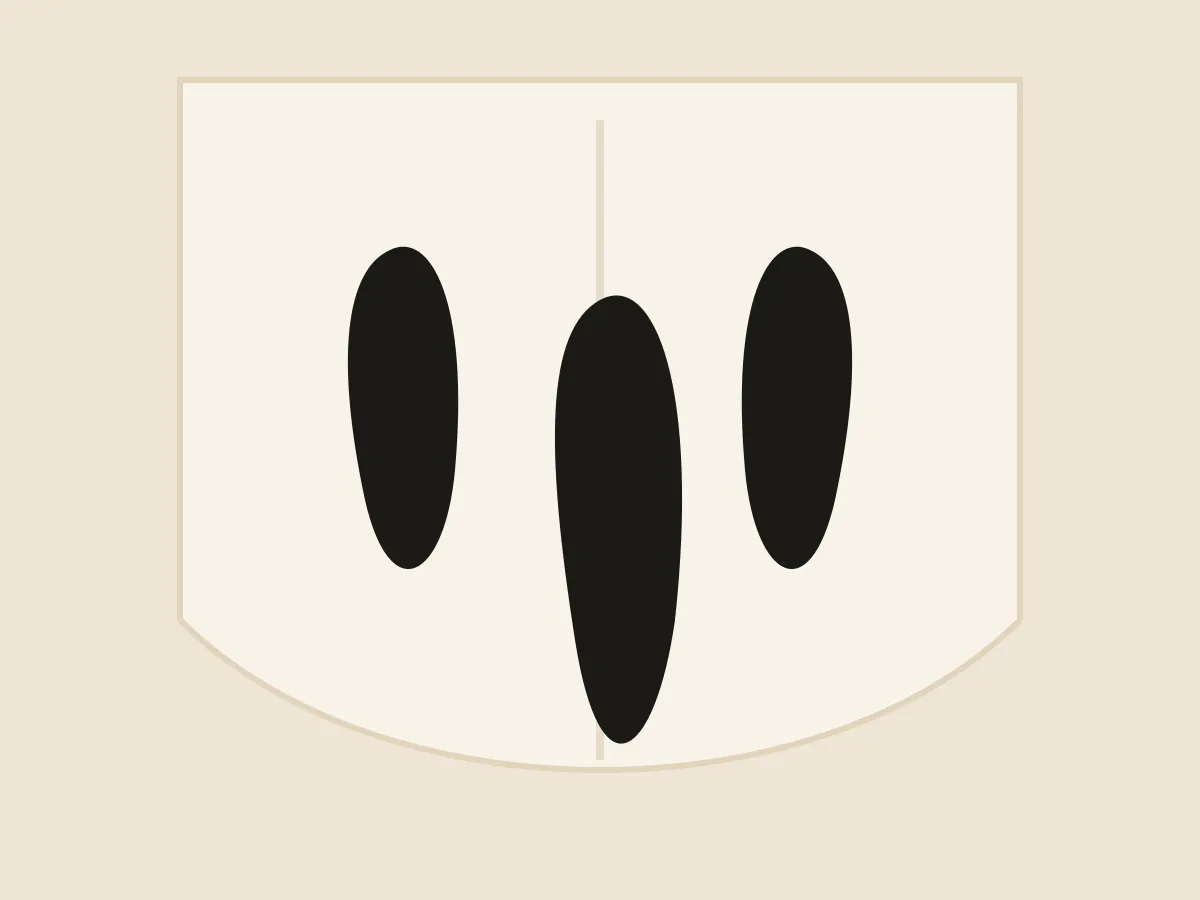
- Thruster (3-fin): The most versatile setup, a thruster provides a good balance of drive, control, and maneuverability. It's a reliable choice for most winter surfboards and conditions, offering predictable performance when you're less agile in a wetsuit.
- Quad (4-fin): Quads offer more speed and drive than thrusters, especially in smaller or weaker waves. They can also provide a looser, faster feel ideal for some choppy wave surfboards. The increased hold from four fins can be beneficial in powerful, open-faced waves.
- Twin Fin (2-fin): As mentioned with fish boards, twins are all about speed, glide, and a skatey feel. They are excellent for generating speed in softer, less critical winter waves, making them great cold water fins for maximizing enjoyment in sub-par conditions.
Materials also play a role. Stiffer fins made from fiberglass or carbon can provide more responsiveness and drive, which can be advantageous in powerful winter surf. Our Fin Systems Guide offers an in-depth look at various fin types and their performance characteristics.
Pro Tip: Experiment with different fin templates and materials. A larger, more upright fin with less rake might be ideal for creating speed in typical winter conditions, while a fin with more rake offers more control in powerful, longer-period swells.
Building Your Winter Quiver: A Strategic Approach
Developing a specialized winter quiver requires strategic thinking. It's not just about buying one new board; it's about having options that cover the range of conditions you're likely to encounter. Consider your local breaks, your skill level, and how much time you're willing to commit to winter surfing.
The Two-Board Winter Quiver
For many, a two-board setup is a practical and effective winter surfboards quiver:
- High-Volume Performance Hybrid: Your everyday workhorse. This board should be forgiving, paddle well in a wetsuit, and handle a variety of wave sizes up to head-high. It's your go-to for most sessions. Aim for 1-3 liters more volume than your summer equivalent.
- Fish or Step-Up: This second board depends on your local conditions and preferences. If you mostly get smaller, weaker winter waves, a high-volume fish or modern twin fin will maximize your wave count and fun. If you're chasing serious swells, a dedicated step-up will give you the confidence and performance needed for bigger days.
The Comprehensive Winter Quiver (3+ Boards)
For the dedicated cold-water warrior, a more extensive cold water surfboards quiver might include:
- High-Volume Performance Shortboard: For regular performance surfing in average winter conditions.
- Dedicated Fish/Twin Fin: For generating speed and fun in smaller, weaker winter waves, excelling as a choppy wave surfboards option.
- Step-Up: For those serious overhead to double-overhead days. This board ensures you're prepared for whatever Mother Nature throws at you.
- Mid-Length/Longboard: For cruising, maximizing wave count on tiny days, or simply enjoying the glide when the water is frigid.
Remember to factor in how each board will perform with the added drag and buoyancy of your wetsuit surfing boards. Our Board Finder Quiz can help you narrow down suitable options based on your specific needs and local conditions.
Maintenance for Your Winter Surfboards
Cold water and seasonal changes can be tough on your equipment. Proper care of your winter surfboards extends their life and keeps them performing at their best.
- Rinse Thoroughly: Always rinse your board with fresh water after each session, paying attention to fin boxes and leash plugs. Salt water can degrade materials over time.
- Store Indoors: Avoid leaving your board in extreme cold (or direct sunlight in winter). Rapid temperature fluctuations can stress the foam and glass, leading to delamination. Store your board in a cool, dry place.
- Check for Dings: Cold water can make boards more brittle. Inspect your board regularly for dings, especially after challenging sessions. Repair small dings immediately to prevent waterlogging using supplies from our Repair Center.
- Wax for Cold Water: Use a specialized cold-water surf wax. This wax temperature rating ensures optimal grip, which is essential when your feet are less sensitive in booties.
By following these maintenance tips, your cold water surfboards will remain in top shape season after season.
Conclusion: Embrace the Chill with the Right Gear
Winter surfing offers unique rewards: less crowded lineups, powerful waves, and the sheer satisfaction of braving the elements. However, to truly capitalize on these opportunities, having the right winter surfboards is non-negotiable. By prioritizing increased volume, appropriate rocker and outline, and considering cold water fins, you can build a quiver that transforms challenging conditions into epic sessions. Don't let your summer board hold you back; invest in gear tailored for the cold, and you'll find a new appreciation for the raw beauty of winter swells. Explore our resources, ask our the board finder your specific questions, and hit the water prepared. The joy of winter waves awaits!
Frequently Asked Questions (FAQ)
Q1: How much extra volume do I need on my surfboard for winter surfing with a thick wetsuit?
A1: As a general rule, add 1-3 liters of volume to your usual warm-water board dimensions. This compensates for the added drag and buoyancy of a thick wetsuit (e.g., 4/3mm or 5/4mm), making paddling easier and improving overall stability in cold water surfboards.
Q2: What types of surfboards are best for choppy winter conditions?
A2: Boards with more volume, a slightly wider outline, and a moderate rocker excel as choppy wave surfboards. Performance hybrids, fish shapes, and traditional twin fins are excellent choices because their designs help maintain speed and stability through turbulent water, making them ideal wetsuit surfing boards.
Q3: Are there specific fins recommended for cold water surfing?
A3: Yes, cold water fins generally benefit from more surface area and a fuller template. This provides increased drive and hold, crucial for maintaining control in powerful, often choppy winter swells and with reduced agility from a wetsuit. Experiment with larger thruster, quad, or even twin fin setups.
Q4: How does wetsuit drag affect my surfboard choice for winter?
A4: The added bulk and resistance from a thick wetsuit significantly reduce your paddling efficiency and natural buoyancy. This necessitates choosing winter surfboards with extra volume and a design that prioritizes paddle power to counteract the drag and allow for easier wave catching and stability.
Q5: Can I use my everyday summer shortboard for winter surfing?
A5: While technically possible, it's generally not recommended. Your summer shortboard will likely feel under-volumed and sluggish with a thick wetsuit, making paddling difficult and reducing your wave count and overall enjoyment. Investing in dedicated cold water surfboards designed for these conditions will greatly enhance your winter surfing experience.