Winter Surfboard Setup Guide: Master Cold, Heavy Waves
Unlock peak performance in challenging conditions with the ultimate winter surfboard setup guide. This comprehensive resource covers board selection, fin tuning, wax strategies, and accessory choices to dominate cold water surf and heavy waves. Learn how to optimize your gear for maximum safety and control this winter.
Surfboard Life · August 2, 2026 · 12 min read
Winter Surfboard Setup: Master Cold, Heavy Waves
To effectively navigate powerful, cold-water conditions, a winter surfboard setup requires specific adjustments to board design, fin configuration, wax application, and accessories. Surfers need to account for thicker wetsuits impacting paddling and maneuverability, as well as the increased power and often choppier nature of winter swells. This holistic approach ensures optimal performance, safety, and durability in challenging environments.
Winter surfing isn't just about braving the cold; it's about adapting your entire quiver and approach to a different kind of ocean. From the frigid waters of the North Atlantic to the heavy barrels of the Pacific Northwest, the demands on both surfer and equipment shift dramatically. The surf often gets bigger, more powerful, and less forgiving. This guide will walk you through every critical component of your winter surfboard setup, ensuring you're not just surviving, but thriving in the colder months.
Understanding the Winter Environment: Why Your Setup Matters
Winter conditions present unique challenges: colder water and air temperatures necessitate thicker wetsuits, gloves, boots, and hoods, which add buoyancy and restrict movement. Swells tend to be larger, more consistent, and often more disorganized or 'lumpy' due to increased storm activity. This combination demands a different approach to board design and accessory choices compared to a warm-water, summer setup.
Your cold water surf board setup must account for:
- Added Wetsuit Buoyancy & Drag: Thicker rubber makes you float higher but also creates more drag. This affects paddle efficiency and how the board sits in the water.
- Reduced Flexibility & Sensitivity: Thick wetsuits can dampen your feel for the board and the wave, requiring more forgiving or responsive equipment.
- Increased Wave Power & Turbulence: Winter waves often have more raw power, requiring boards with better control, drive, and stability.
- Shorter Days & Harsher Elements: Limited daylight and adverse weather (wind, rain, snow) mean you need gear that is reliable and enhances comfort for potentially shorter, but more intense, sessions.
Ignoring these factors can lead to a frustrating experience, poor performance, or even safety issues. A properly tuned heavy wave surfboard setup will make a world of difference.
Board Selection: Your Foundation for Winter Performance
Choosing the right board is paramount for your winter surfboard setup. You'll often find surfers opting for slightly longer, wider, or thicker boards than their summer shortboards, or dedicated performance-oriented step-ups and guns for truly massive days.
Volume and Dimensions: The Winter Equation
Many surfers adjust their board volume upwards by 0.5 to 2 liters for winter. This extra foam compensates for the added weight and stiffness of a thicker wetsuit, making paddling easier and enhancing wave entry. For a personalized calculation, check out our Volume Calculator.
- Length: A slight increase (1-3 inches) can improve paddle power, stability in choppy water, and drive down the line in bigger waves. For critical heavy wave surfboard setups, a dedicated step-up will be significantly longer.
- Width: A touch more width in the nose and tail can add stability and paddle power, beneficial when trying to get into powerful waves or dealing with wind chop.
- Thickness: Extra thickness in the stringer area provides more volume and can allow the board to sit higher on the water, reducing drag. However, too much thickness can reduce rail sensitivity.
- Rocker: Boards with slightly more entry rocker are often preferred for cold water surf board setups, helping prevent nose-diving on steeper drops common in powerful winter swells. Tail rocker can be similar or slightly increased for turn control.
Pro Tip: Don't just size up blindly. Consult experienced shapers or try a Board Finder Quiz to understand how different dimensions affect your ride in winter conditions. A seasoned local shaper can offer invaluable insights into the specific waves you'll be tackling.
Board Types for Your Winter Quiver
- Performance Shortboard (Slightly Scaled Up): For most winter days with powerful, head-high to double-overhead waves. Look for slightly more volume, a refined outline, and strong construction.
- Step-Up: Essential for waves that are well overhead and drawing power from deeper water. These boards are typically 2-6 inches longer than your standard shortboard, with a narrower nose and tail for hold, and often a bit more rocker. They are the go-to for a dedicated heavy wave surfboard setup.
- Semi-Gun/Gun: Reserved for serious big-wave surfing (triple overhead and beyond). These are specialized tools for extreme conditions.
- Hybrid/Groveler (for smaller winter days): Sometimes winter brings smaller, but still cold, waves. A higher-volume hybrid can keep you catching waves when the swell isn't pumping, but the water is still icy. Learn more about different board categories with our Board Types Guide.
Fin Tuning: Control and Drive in Turbulent Water
Your fins are the engine and rudder of your board, and their importance is amplified in a winter surfboard setup. The right fins provide the necessary drive, hold, and control to manage powerful, often unruly, waves.
Fin Systems and Setups
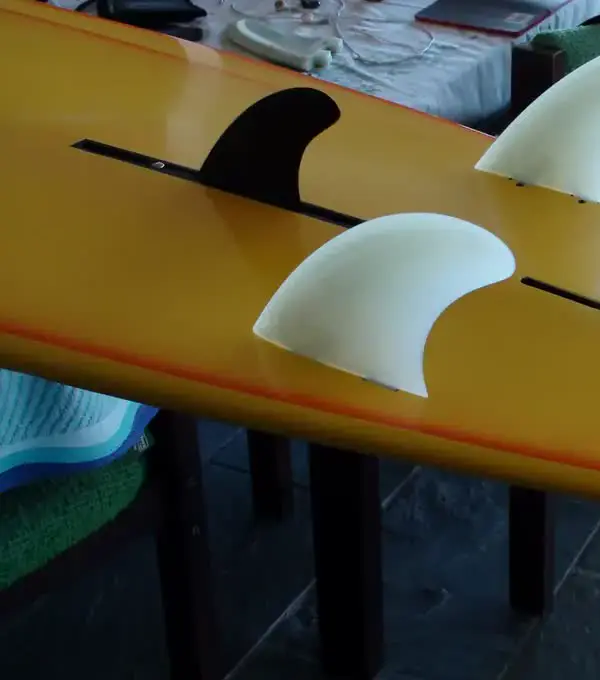
Most modern boards feature either FCS (FCS I, FCS II) or Futures fin systems. The choice of system is often a matter of personal preference and board compatibility. Our Fin Systems Guide offers a deeper dive.
- Thruster (3-fin): The most versatile setup. In winter, opt for larger fin sizes (L or XL, depending on surfer weight and board volume) to provide more hold and drive. Stiffer fins (e.g., carbon bases, solid fiberglass) can offer more control in powerful, turbulent conditions, reducing flex and maintaining drive.
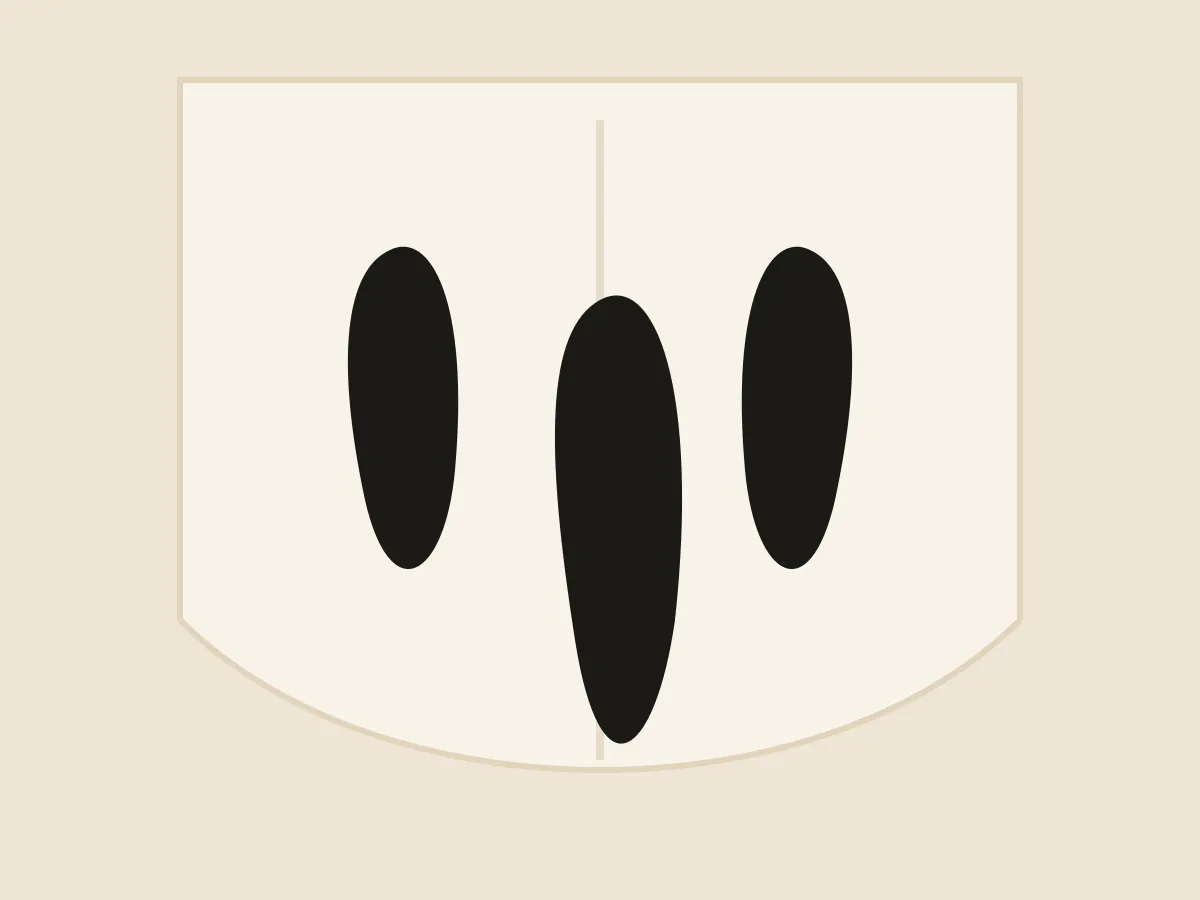
- Quad (4-fin): Excellent for generating speed, especially down the line, and can feel looser and more responsive. Quads can also offer good hold in barrels. They are a popular choice for heavy wave surfboard setups, particularly on step-ups, as they provide speed without sacrificing too much control.
- 2+1 (single fin with side bites): More common on mid-lengths and some specialized winter boards. Offers drive and flow, but less pivotal control than a thruster or quad.
Fin Characteristics for Winter
- Size: Generally, larger fins are preferred for a winter surfboard setup. They provide more surface area for grip and drive through powerful sections. If you're wearing boots, consider your actual weight in the water might be slightly higher, warranting larger fins.
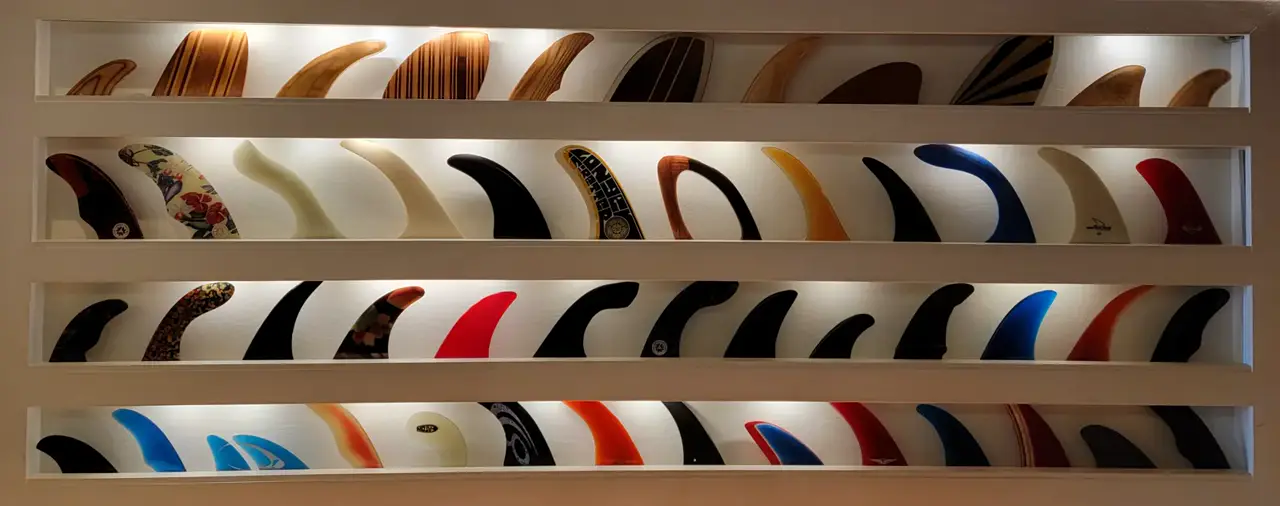
- Flex: Stiffer fins are often favored for powerful waves. While highly flexible fins offer a 'livelier' feel in smaller waves, in a heavy swell, they can wash out or feel unstable. Fins with a solid base and stiffer tip (like those with carbon strips) can offer a good balance of drive and controlled flex.
- Rake: Fins with more rake (the sweep or angle back from the base) provide longer, more drawn-out turns and enhanced drive. This can be beneficial for holding a line in fast, powerful waves. Less rake offers quicker pivot and tighter turns.
- Foil: A good inner foil (the curve on the inside face of the fin) can generate lift and reduce drag, aiding speed. For winter surf fins, look for foils that provide a balance of speed and control.
Pro Tip: Experiment with different fin templates and materials. A set of carbon-reinforced fins can provide the stiffness and drive needed for powerful winter waves, offering a tangible difference over standard composite fins. Keep a fin key and spare screws in your bag!
Winter Surf Wax: The Cold Grip
Maintaining traction is absolutely critical in cold water, where your hands and feet are often numbed by the cold. Your winter surf wax strategy is not just about preference; it's about safety and performance.
The Basecoat and Topcoat Method
This is the most effective approach for cold water:
- Basecoat: Apply a hard, durable basecoat (or 'tropical' wax) in a cross-hatch pattern. This creates a foundation of small bumps that your topcoat can adhere to. Ensure good coverage from tail to just past where your front foot sits.
- Topcoat: Layer a soft, sticky winter surf wax over the basecoat. The colder the water, the softer the wax should be. This soft wax fills the gaps created by the basecoat, providing excellent grip. Reapply a thin layer of topcoat before each session or every few sessions, depending on wear.
- Temperature Specificity: Always use wax formulated for the specific water temperature you're surfing in. Using warm-water wax in cold water will make it too hard and slippery, while cold-water wax in warm water will melt into a messy goo. Check the temperature ratings on the wax packaging carefully.
- Application: Apply wax in circular motions or short, overlapping strokes until you build a good, grippy texture. For winter, focus on building substantial bumps for maximum traction. Scrape off old wax periodically to prevent build-up and maintain optimal grip.
Pro Tip: For extra grip in numb hands, consider applying a thin layer of wax to the rail where you grab your board for duck dives or pop-ups. This is especially helpful when dealing with the bulk of a thick wetsuit. Also, ensure your tail pad is in good condition; a worn tail pad compromises your back foot's leverage.
Leash, Deck Grips, and Accessories: Safety and Durability
Winter conditions demand robust accessories. A broken leash in powerful, cold water can be a serious safety hazard, especially in strong currents or far from shore.
Leash Considerations
- Thickness and Length: For your winter surfboard setup, opt for a thicker, heavy-duty leash (e.g., 7mm or 8mm cord) to withstand the power of bigger waves and avoid snapping. Consider a slightly longer leash (e.g., 7ft for a 6'2" board) to provide a bit more separation from a powerful board after a wipeout, reducing the chance of impact.
- Quality: Invest in a reputable brand with strong cuffs and swivels. Double swivels prevent tangling. Inspect your leash regularly for nicks, cuts, or weak points, especially where the cord meets the cuff and rail saver.
- Rail Saver: Ensure your leash has a robust rail saver to protect your board's tail from the leash fin snapping or cutting into the rail.
Deck Grips and Tail Pads
A well-placed and durable tail pad is crucial for back-foot control, particularly when generating speed and maneuvering in powerful waves. Ensure it's firmly adhered. Some surfers also use front-foot traction pads, especially in combination with specific wax strategies.
Board Bags and Protection
Winter often means more travel to find waves, and colder temperatures can make fiberglass more brittle. A well-padded board bag protects your board from dings during transport and from cold impacts. Consider using internal padding or a board sock for added protection.
Ding Repair Kits
Dings are inevitable. A good repair kit is essential, especially in winter when cold temperatures can make resin curing slower. Having a quick-fix option (like Solarez) can save a session, but remember to get proper repairs done promptly at a professional Repair Center for lasting durability.
Building Your Winter Quiver: Skill and Regional Adaptation
An ideal winter surfboard setup often involves more than one board. Your quiver should reflect your skill level, local wave types, and personal preferences.
Beginner/Intermediate Winter Surfers
Focus on stability, paddle power, and durability.
- Funboard/Mini-Mal: A longer, higher-volume board (7'0"-8'0") will make paddling easier and catching waves more consistent, even in cold water and thick wetsuits. This allows you to focus on fundamental skills. Refer to our Learn to Surf guide for progression tips.
- Hybrid Shortboard: As you progress, a slightly scaled-up hybrid (e.g., 6'0"-6'6" with generous volume) can bridge the gap between stability and performance, offering a versatile cold water surf board setup for varying winter conditions.
Advanced/Expert Winter Surfers
This is where specialized equipment truly shines.
- Performance Shortboard: Your go-to for most sessions, perhaps 1-3 inches longer and 0.5-1 liter more volume than your summer board.
- Step-Up: A critical addition for bigger days. This board will be 2-6 inches longer than your performance shortboard, with a narrower profile and refined rails for maximum hold in serious waves. This is your dedicated heavy wave surfboard setup.
- Big Wave Gun (Optional): For those chasing truly monumental swells, a gun is indispensable. These boards are typically 8'0"+ and designed purely for speed, hold, and control in massive surf.
Pro Tip: Think regionally. The winter swells in Hawaii are vastly different from those in the UK or the Pacific Northwest. Consult local shapers and experienced surfers to understand the specific characteristics of your home breaks during winter. Surfline.com and WorldSurfLeague.com offer excellent regional forecasts and insights into wave characteristics.
Maintenance and Longevity in Cold Conditions
Cold water, frequent use, and sometimes longer periods between sessions due to weather can impact your board's lifespan.
- Rinsing: Always rinse your board thoroughly with fresh water after every session to remove salt and grit, which can damage fins, fin boxes, and wax.
- Storage: Store your board in a cool, dry place out of direct sunlight. Extreme temperature fluctuations (e.g., leaving it in a cold car overnight then direct sun) can delaminate boards.
- Regular Inspection: Check for dings, cracks, and delamination regularly. Address them promptly to prevent waterlogging and further damage. Small cracks can become major problems quickly in powerful winter surf.
Conclusion: Embrace the Winter Challenge
Mastering the winter surfboard setup is about more than just buying new gear; it's about understanding the unique demands of cold, powerful waves and proactively optimizing your equipment for safety, performance, and enjoyment. By carefully considering your board's volume, rocker, fin configuration, and wax strategy, you transform winter's challenges into opportunities for exhilarating surfs. Don't let the cold deter you; with the right cold water surf board setup, you'll find some of the most rewarding waves of the year. For more personalized advice, feel free to chat with our the board finder or explore further historical context on surfing in our Surfing History section. Get out there and make the most of winter's raw power!
Frequently Asked Questions (FAQ)
Q1: How much extra volume do I need for a winter surfboard setup?
A1: Generally, adding 0.5 to 2 liters of volume to your standard board is recommended for a winter surfboard setup. This compensates for the added buoyancy and restricted movement from thicker wetsuits, making paddling easier and improving wave entry in powerful conditions.
Q2: What's the best fin setup for heavy winter waves?
A2: For heavy winter waves, a thruster (3-fin) with larger, stiffer fins (L or XL size) provides excellent control and drive. Quads (4-fin) are also popular for generating speed down the line and offer good hold in barrels, making them a strong choice for a heavy wave surfboard setup.
Q3: What's the trick to applying winter surf wax effectively?
A3: The most effective method is a basecoat of hard (tropical) wax applied in a cross-hatch pattern, followed by a generous topcoat of soft, temperature-specific winter surf wax. This creates substantial bumps for maximum grip in cold water, where hands and feet can be numb.
Q4: Should I use a longer leash in winter?
A4: Yes, using a thicker, heavy-duty leash (e.g., 7-8mm cord) that is slightly longer (e.g., 7ft for a 6' board) is advisable for a winter surfboard setup. This provides more durability against powerful waves and extra separation from your board after a wipeout, enhancing safety.
Q5: How do I adjust my board choice for winter if I'm an intermediate surfer?
A5: Intermediate surfers should consider a slightly scaled-up performance shortboard (1-3 inches longer, 0.5-1 liter more volume) or a versatile hybrid board for a cold water surf board setup. This offers a balance of paddle power, stability, and maneuverability to handle the increased wave power and thicker wetsuits typical of winter conditions.