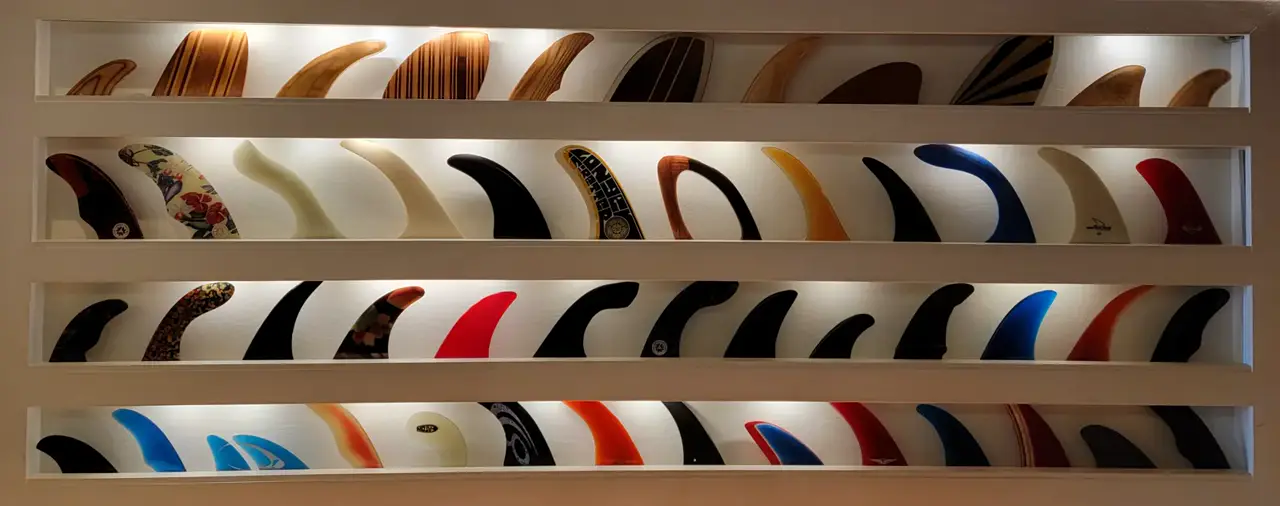
How to Choose Surfboard Fins: The Ultimate Guide
Unlocking your board's full potential starts with the right fins. Learn how to choose surfboard fins effectively with our expert guide, covering fin types, sizes, and setups for every wave and riding style. This ultimate surfboard fin guide will elevate your surfing.
Surfboard Life · July 13, 2026 · 14 min read
To choose surfboard fins effectively, consider your board type, rider weight, wave conditions, and desired performance; matching these elements will unlock your board's full potential and significantly influence speed, drive, and maneuverability.
Welcome to Surfboard.Life, your ultimate resource for all things surfing! Today, we're diving deep into one of the most crucial, yet often overlooked, components of your surfboard: the fins. Many surfers, especially beginners, focus heavily on their board's shape and size, but a profound understanding of how to choose surfboard fins can dramatically transform your surfing experience. Whether you're chasing speed down the line, carving hard cutbacks, or just trying to maintain control in choppy conditions, your fins are the unsung heroes dictating your board's behavior.
This comprehensive surfboard fin guide is designed to demystify the complex world of fin selection. We'll move beyond generic advice to provide a practical fin selection flowchart that empowers you to make informed decisions for your specific board, skill level, and wave conditions. Forget the days of guesswork; with our expert insights, you'll learn exactly which fin types explained are right for you, ensuring you're always equipped with the best fins for wave conditions you're about to paddle into. Getting your fin setup dialed in is paramount to getting the most out of every session, from point breaks to beach breaks. Let's get started on your journey to perfect fin knowledge!
Understanding the Anatomy of Surfboard Fins
Before we delve into specific setups, it's essential to grasp the fundamental components that make up a surfboard fin. Each element plays a critical role in how the fin performs and, consequently, how to choose surfboard fins that suit your style. For a deeper understanding of all surfboard components, check out our Surfboard Anatomy resource.
Fin Elements Explained:
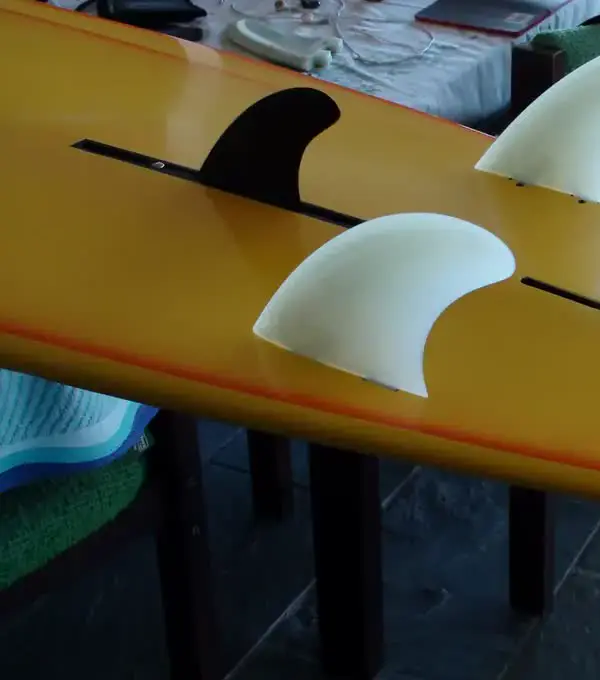
- Base: The length of the fin that attaches to the board. A longer base provides more drive and holds through turns, while a shorter base allows for quicker pivoting. This element directly impacts the stability and rail-to-rail transition of your board.
- Depth (or Height): How far the fin extends from the bottom of the board. Deeper fins offer more hold, stability, and control, especially in powerful waves. Shallower fins promote a looser, more skate-like feel, ideal for smaller waves and more radical maneuvers.
- Rake (or Sweep): The angle at which the fin curves back from the base. Fins with more rake are designed for longer, drawn-out turns and provide increased drive and hold, often favored by power surfers. Fins with less rake (more upright) are associated with tighter turns and a quicker response, excellent for vertical surfing and aerial maneuvers.
- Foil: The hydrodynamic shape of the fin from front to back, similar to an airplane wing. Insides and outside foils dictate water flow. Flat foil on the inside of side fins provides lift and reduced drag, while symmetrical foils (often seen on center fins) offer balanced performance.
- Flex: The amount a fin bends when pressure is applied. Stiffer fins offer more drive, projection, and control in powerful surf. More flexible fins provide a livelier, springier feel, adding release and responsiveness, especially in smaller, weaker waves. The material (fiberglass, carbon, composite) heavily influences flex.
- Cant: The angle of the fin relative to the bottom of the board. Fins with more cant angle outwards from the board, providing greater responsiveness and turn initiation. Less cant (more vertical) offers more drive and speed in a straight line.
- Toe: The angle of the side fins relative to the board's stringer. Side fins are typically 'toed-in' towards the nose of the board to reduce drag and increase water flow across the foil, enhancing responsiveness and drive. The center fin usually has no toe.
Pro Tip: Don't underestimate the subtle differences these elements make! Experimenting with various fin profiles can unlock entirely new levels of performance from your existing surfboard. Many pro surfers spend countless hours testing fin combinations.
Decoding Surfboard Fin Systems and Setups
Before you can dive into how to choose surfboard fins based on their individual characteristics, you need to understand the widely adopted fin systems and the different fin configurations available. Our comprehensive Fin Systems Guide provides a detailed breakdown of each technology.
Common Fin Systems:
- FCS (Fin Control System): One of the most popular systems globally, known for its dual-tab design. FCS I requires screws for installation, while FCS II is a tool-less system, allowing for quick fin changes. FCS offers a vast range of fin templates and sizes.
- Futures Fins: Characterized by a single, larger base tab that provides a strong, integrated connection to the board. Futures are also tool-less and praised for their solid feel and drive through turns.
- US Box / Centre Fin Box: Predominantly found on single fin longboards, mid-lengths, and some twin fins. This system uses a long slot and a screw-and-plate mechanism to secure the fin, allowing for fore and aft adjustment of the fin's position, significantly impacting handling.
Popular Fin Setups Explained:
- Single Fin: The original surfboard fin setup, typically found on longboards and some retro-inspired mid-lengths. Offers maximum glide, trim, and control in a straight line, with smooth, drawn-out turns. It's excellent for classic, soulful surfing and often preferred in smaller, mellower waves. LSI: retro surfing, glide, trim.
- Twin Fin (2 Fins): Known for speed, looseness, and a playful feel. Twin fins, often used on fish and retro boards, provide excellent drive and easy rail-to-rail transitions. They excel in smaller to medium-sized, softer waves, offering a faster, more flowing ride. Learn more about suitable boards in our Board Types Guide. LSI: fish boards, speed, looseness.
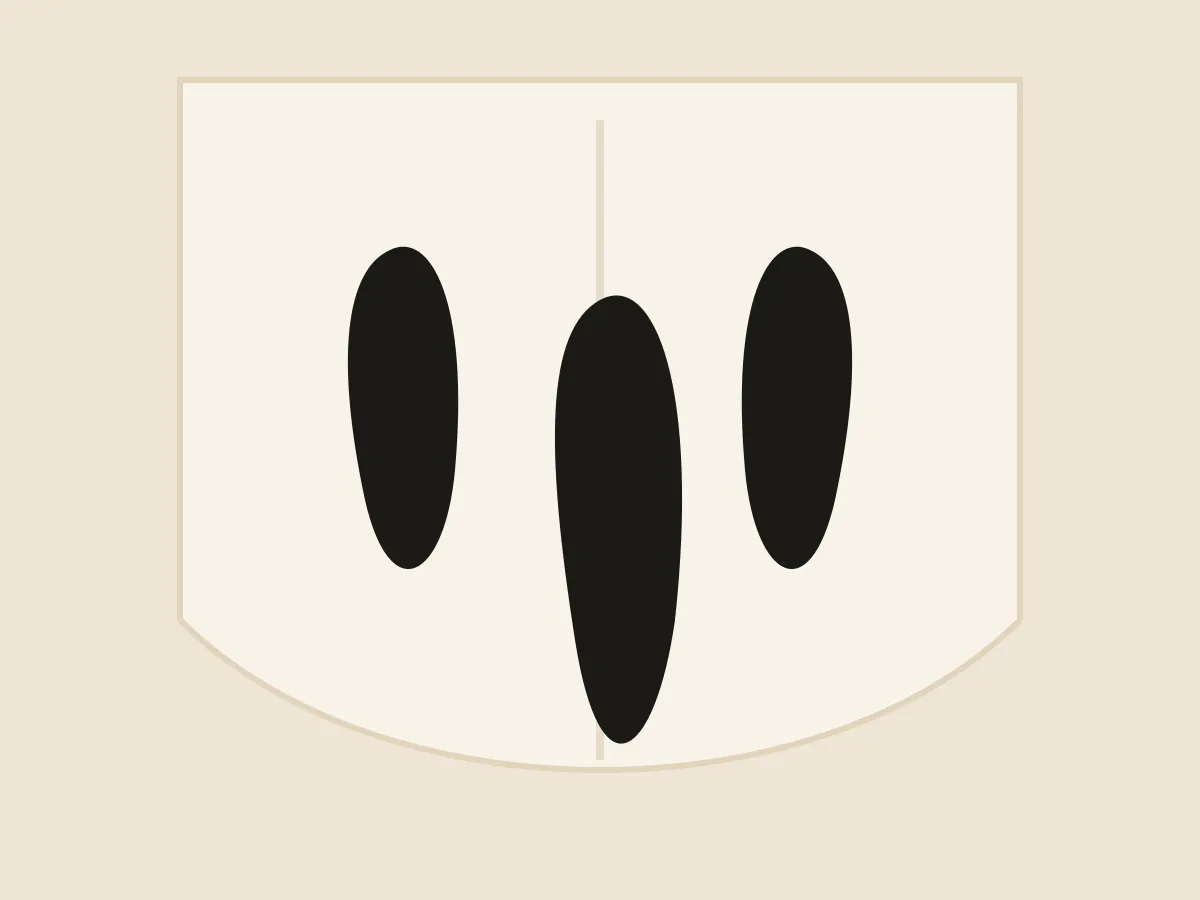
- Thruster (3 Fins): The most common and versatile setup for high-performance surfing, found on the majority of shortboards. Comprises two side fins and a smaller center fin (often symmetrical). Offers a balance of speed, control, and maneuverability, performing well in a vast range of conditions from small to overhead waves. It's a reliable choice if you're unsure how to choose surfboard fins for diverse conditions. LSI: shortboard performance, versatility, control.
- Quad Fin (4 Fins): Four fins provide increased speed and drive, especially in weaker waves, by channeling water effectively. They offer a looser feel than a thruster, with excellent hold in steep sections and barrel riding. Many surfers opt for quads in fast, hollow waves or when seeking extra speed in softer conditions. LSI: barrel riding, speed generation, hollow waves.
- 2+1 Setup: Commonly found on mid-length boards, funboards, and some performance longboards. This setup combines a larger center fin with two smaller side fins (side bites). Offers the drive and stability of a single fin with added maneuverability and control from the side bites. A great option for versatility. LSI: mid-length boards, hybrid performance.
Pro Tip: Don't be afraid to experiment with different fin setups. Many boards come with convertible fin boxes (e.g., capable of thruster or quad). Changing your setup can dramatically alter your board's feel for different wave conditions.
The Surfboard Fin Selection Flowchart: Your Personalized Guide
This fin selection flowchart will walk you through the key considerations for selecting the best fins for wave conditions, your board, and your riding style. This practical guide moves beyond abstract concepts to give you actionable advice on how to choose surfboard fins tailored to your needs. For personalized recommendations, try our Board Finder Quiz.
Step 1: Identify Your Board Type and Fin System
- What type of board are you surfing? (e.g., Shortboard, Fish, Longboard, Mid-length, Hybrid) This will narrow down compatible fin systems and common setups.
- Shortboard: Most often Thruster or Quad. Futures or FCS.
- Fish/Retro: Twin, Quad, or small Thruster. Futures or FCS.
- Longboard: Single Fin or 2+1. US Box (center) and FCS/Futures (side bites).
- Mid-length/Funboard: Single Fin, 2+1, or Thruster. US Box (center) and FCS/Futures (side bites).
Step 2: Consider Your Rider Weight and Skill Level
Your weight is a critical factor in how to choose surfboard fins for optimal flex and area. Generally, heavier surfers require larger fins for drive and hold, while lighter surfers benefit from smaller fins for responsiveness. Our Volume Calculator can help you understand board buoyancy, which should also factor into fin choice.
- Beginner (0-1 year surfing): Focus on stability and control. Medium to large fins (relative to your weight) in a thruster setup are often forgiving. Opt for composite or plastic fins which are more durable and flexible. For general progression, aim for a balanced template.
- Intermediate (1-5 years surfing): Balance control with maneuverability. You're ready to experiment with different templates and materials. Consider medium to stiff fins depending on wave size and desired feel. This is where subtle changes in rake and foil become noticeable.
- Advanced (5+ years surfing): Fine-tune performance for specific waves and maneuvers. You'll likely have multiple sets of fins and be highly attuned to their subtle differences. Experiment with high-performance materials (fiberglass, carbon) and specialized templates for maximum speed, drive, and release.
Step 3: Evaluate the Wave Conditions
This is where understanding best fins for wave conditions truly comes into play. The size, power, and shape of the wave dramatically influence ideal fin characteristics.
- Small, Weak, Mushy Waves (1-3 ft):
- Goal: Generate speed, looseness, quick movements.
- Recommendation: Smaller fins (relative to your weight) for less drag, more upright templates for pivot, and perhaps a twin fin or quad setup for maximum speed generation. More flexible fins can also add pop. Consider a fin with less rake.
- Medium, Everyday Waves (3-6 ft):
- Goal: Balance speed, drive, and control.
- Recommendation: Medium-sized thruster fins with a balanced template (moderate rake, depth). This is your go-to all-around setup, providing versatility. Your standard performance fins will shine here.
- Large, Powerful, Hollow Waves (6ft+):
- Goal: Maximum hold, control, and drive through critical sections.
- Recommendation: Larger, stiffer fins with more depth and rake for increased hold and stability at high speeds. A thruster or quad setup can both work, with quads offering extra speed in the barrel. Consider a performance foil for maximum efficiency. LSI: powerful waves, critical surfing, big wave fins.
Step 4: Define Your Desired Performance Characteristics
What do you want your fins to do for you?
- More Drive/Hold: Look for fins with a larger base, more depth, and more rake. Stiffer materials. (Good for powerful turns, speed down the line).
- More Release/Looseness: Smaller fins, less depth, more upright templates (less rake). More flexible materials. (Good for tight turns, tail slides, aerials).
- More Speed: Twin fins, quads, or thrusters with less drag (e.g., smaller center fin). Lighter, stiffer fins can generate more speed via projection. World Surf League (WSL) pros often choose specific fin templates for speed in competition: https://www.worldsurfleague.com/.
- Better Control: Larger, deeper, stiffer fins. Thruster setup. Good for powerful waves and maintaining a line.
Fin Selection Flowchart Summary:
- START: What board and fin system do you have?
- Rider Profile: Your weight and skill?
- Wave Type: Small/Mushy, Medium/Average, or Large/Powerful?
- Desired Feel: Drive/Hold or Looseness/Release?
- SELECT FIN: Combine these factors using our expanded explanations for the optimal fin template, size, and material.
Fin Types Explained: Templates and Materials
Beyond setups, the actual template (shape) and material of your fins are crucial when deciding how to choose surfboard fins. These factors contribute significantly to a fin's performance characteristics.
Common Fin Templates (Shapes):
- Rake Fins: Characterized by a significant sweep or curve back. Ideal for flowing, drawn-out turns and powerful carving. Excellent for fast, point break waves where maintaining speed and control is key. Surfline often features articles on how pros use different fin rakes to fine-tune their boards: https://www.surfline.com/
- Pivot Fins: More upright with less rake. Designed for tight, snappy turns and vertical surfing. Favored in beach breaks and waves that require quick changes in direction. Offer a livelier feel and easier release.
- Balanced/Neutral Fins: A blend of rake and pivot characteristics, offering a versatile all-around performance. If you only have one set of fins, a balanced template is an excellent choice as it performs well in most conditions.
- Keel Fins: Specifically designed for retro fish boards. They are typically wide and shallow, providing exceptional drive, speed, and hold but with less maneuverability. They embody the classic LSI: retro surfing, drive, speed.
Fin Materials and Their Impact:
- Plastic/Composite: The most affordable option, often included with entry-level boards. More flexible, durable, and forgiving, making them suitable for beginners who prioritize durability over high performance. Good for understanding the basics of how to choose surfboard fins without a hefty investment.
- Fiberglass: Offers a more controlled flex pattern and superior response compared to plastic. Provides a good balance of drive and release. Many high-performance fins use fiberglass as a base material.
- Carbon Fiber: Extremely stiff and lightweight, carbon fins provide maximum drive, control, and responsiveness. They translate rider input directly to the board, making them popular with advanced surfers seeking precision and power. Often used in combination with fiberglass or other composites.
- Honeycomb: A lightweight internal structure (often hexagonal) that provides a balance of flex and stiffness. Known for a lively, responsive feel. Great for surfers looking for a blend of performance and responsiveness without extreme stiffness.
- Performance Glass (PG): Refers to fins molded from solid fiberglass. Known for their predictable flex patterns, incredible drive, and hold. Often considered the gold standard by experienced shapers and featured in Stab Magazine's gear reviews: https://stabmag.com/.
Pro Tip: Don't get bogged down by the sheer number of options. Start with a balanced, medium-flex fin and then incrementally adjust based on how you want your board to feel. Your local surf shop can also offer excellent advice.
Matching Fins to Specific Board Types
While our fin selection flowchart provides a general framework, here's a closer look at how to choose surfboard fins for popular board categories.
Shortboards
- Goal: High performance, radical maneuvers, speed, and control.
- Typical Setup: Thruster (most common), Quad (for speed/tubes), Twin (for specific retro designs).
- Fin Characteristics:
- Small Waves: Smaller fins, more upright (pivot template), lighter materials (honeycomb) for looseness and speed generation.
- Medium Waves: Balanced template (medium rake/depth), fiberglass/PG for reliable all-around performance. This is where most surfers will find their sweet spot.
- Large/Powerful Waves: Larger fins, more rake (drive template), stiffer materials (carbon/PG) for maximum hold and control.
Fish & Retro Boards
- Goal: Speed, flow, style, and wave catching ability in smaller waves.
- Typical Setup: Twin Fin with Keel fins, or performance Twin fins. Some variations might feature a small stabiliser fin.
- Fin Characteristics:
- Keel Fins: For classic drive, speed, and track. Less pivot, more flow.
- Modern Twin Fins: More upright than keels, offering a balance of speed and maneuverability. Often with a foil for added lift.
Mid-lengths & Funboards
- Goal: Versatility, ease of paddling, stability, smooth turns.
- Typical Setup: 2+1 (single fin with side bites) or Single Fin.
- Fin Characteristics:
- Single Fin: Larger, deeper, with varying rake. More rake for longer turns, less for more pivotal surfing. Position in the US box is key—forward for looser, back for more hold.
- 2+1: Large center fin with smaller side bites. Center fin dictates drive and hold, side bites add control and projection. You can experiment with different center fin sizes and side bite templates.
Longboards
- Goal: Glide, nose riding, trim, soulful surfing.
- Typical Setup: Single Fin, or 2+1 (for performance longboards).
- Fin Characteristics:
- Single Fin: Large, deep fins ranging from traditional D-fins (maximum hold) to more performance-oriented pivot fins. Larger sizes (9-10 inches) are common. The shape of the fin's tip (rounded vs. pointed) also impacts performance.
- 2+1: A smaller single fin (6.5-7.5 inches) paired with two small side bites for added stability and turn initiation. Ideal for longboarders looking to add a bit more performance to their turns.
Pro Tip: Your ultimate goal is to match your fins to your personal surfing evolution. What works for a pro at Snapper Rocks likely isn't ideal for you at your local beach break. Start simple, understand the basics of how to choose surfboard fins, and then refine based on your actual experience in the water.
Conclusion: Mastering Fin Selection for Every Session
Mastering how to choose surfboard fins is an ongoing journey that evolves with your skill, your boards, and the waves you encounter. By understanding fin anatomy, different setups, and using our comprehensive fin selection flowchart, you are now equipped to make informed decisions that will directly enhance your surfing. Remember, there's no single 'best' fin; it's about finding the optimal setup for you and the conditions.
This in-depth surfboard fin guide has covered fin types explained, rider considerations, and matching the best fins for wave conditions. Don't be afraid to experiment! Keep a log of your fin choices and how they perform—this experiential data is invaluable. For more detailed articles on board maintenance, check out our Repair Center, or if you're just starting your journey, visit our Learn to Surf section. If you still have questions, our the board finder is ready to provide personalized advice.
Now, go forth, choose wisely, and enjoy the ride!
Frequently Asked Questions (FAQ)
Q1: What is the most versatile fin setup for a shortboard?
A1: The Thruster (3-fin) setup is widely considered the most versatile for shortboards, offering a balanced combination of speed, control, and maneuverability across a broad range of wave conditions.
Q2: How does my weight affect fin size selection?
A2: Your weight directly impacts fin size. Heavier surfers generally require larger fins to provide sufficient hold and drive, while lighter surfers benefit from smaller fins for increased responsiveness and release. Most fin manufacturers provide weight-based recommendations.
Q3: Should I get stiff or flexible fins?
A3: Stiffer fins offer more drive, projection, and control, ideal for powerful waves and advanced surfers. More flexible fins provide a livelier, more forgiving feel, excellent for smaller, weaker waves and surfers looking for more responsiveness and release.
Q4: Can I use different fin brands together?
A4: Generally, no. Fin systems like FCS and Futures have proprietary bases and are not interchangeable. You must use fins designed specifically for your board's fin box system. However, specific FCS I and FCS II systems can sometimes be cross-compatible with adaptors.
Q5: What's the difference between rake and pivot fins?
A5: Rake refers to the angle the fin sweeps back from the base, providing more driven, drawn-out turns. Pivot fins are more upright (less rake), allowing for tighter, snappier turns and quick changes of direction, often favored in vertical surfing.