Simon Anderson: The Thruster Invention & Its Impact
Simon Anderson is a towering figure in surfing, revolutionized board design by inventing the thruster fin setup. His ingenious three-fin origin transformed performance surfing forever, making him a legend in the sport. Discover the enduring legacy of Simon Anderson and how his innovation shaped modern surfboards.
Surfboard Life · February 15, 2026 · 6 min read
Simon Anderson: The Genius Behind the Thruster Invention
Simon Anderson fundamentally reshaped surfboard design with his revolutionary thruster invention in 1980, introducing the world to the three-fin setup that quickly became, and remains, the industry standard for high-performance surfing. This ingenious three fin origin provided an unprecedented blend of speed, drive, and maneuverability, allowing surfers to push the boundaries of wave riding like never before, establishing a blueprint that continues to evolve and adapt to new surfing styles and technologies.
Before the thruster invention, surfboard design was in a state of dynamic evolution. Single fins dominated the 1970s, recognized for their down-the-line speed and graceful trim but often critiqued for lacking maneuverability and vertical attack needed for progressive surfing. Twin fins, while offering more release and a looser, more pivoty feel, frequently struggled with stability and consistent drive through powerful turns, especially in larger or more critical waves. However, contemporary twin fins have seen significant technological advances addressing some of these historical limitations, incorporating advanced foils and materials to enhance performance and control. It was into this vibrant landscape that Simon Anderson, a powerful Australian pro surfer and shaper, stepped forward with a design that would marry the best of both worlds and propel surfing into a new era of performance. His creation wasn't just an incremental improvement; it was a paradigm shift, a profound re-imagining of what a surfboard could truly achieve.
The Genesis of the Thruster: Simon Anderson's Vision
The story of the thruster invention is deeply intertwined with Simon Anderson's personal frustrations and astute observations as a professional surfer. By the late 1970s, as a larger, more powerful surfer, he felt inherently limited by the boards available. Twin fins, while undeniably fast and exciting, often "skipped out" or lost control at critical moments during powerful turns, especially under the weight of a bigger rider or in steeper sections. Single fins, conversely, offered good drive and hold but felt stiff and restricted, lacking the pivotal freedom needed for radical, progressive maneuvers like quick direction changes or vertical attacks. Anderson, known for his analytical mind and hands-on approach to shaping, began a diligent process of experimentation.
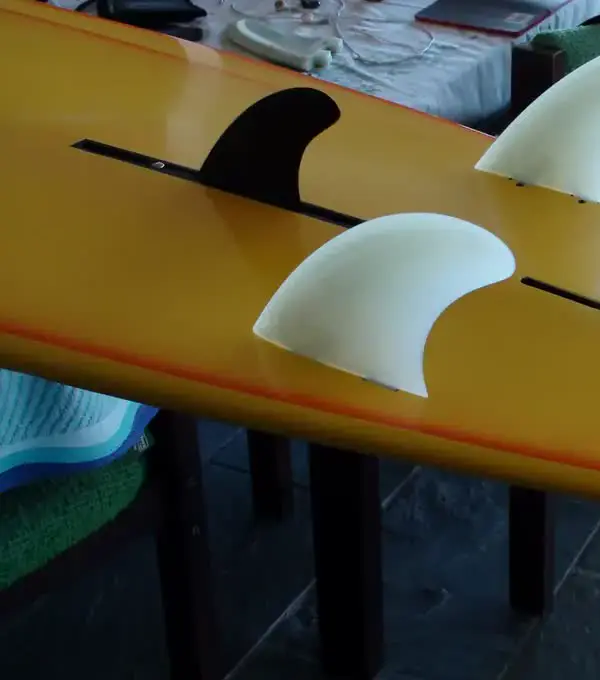
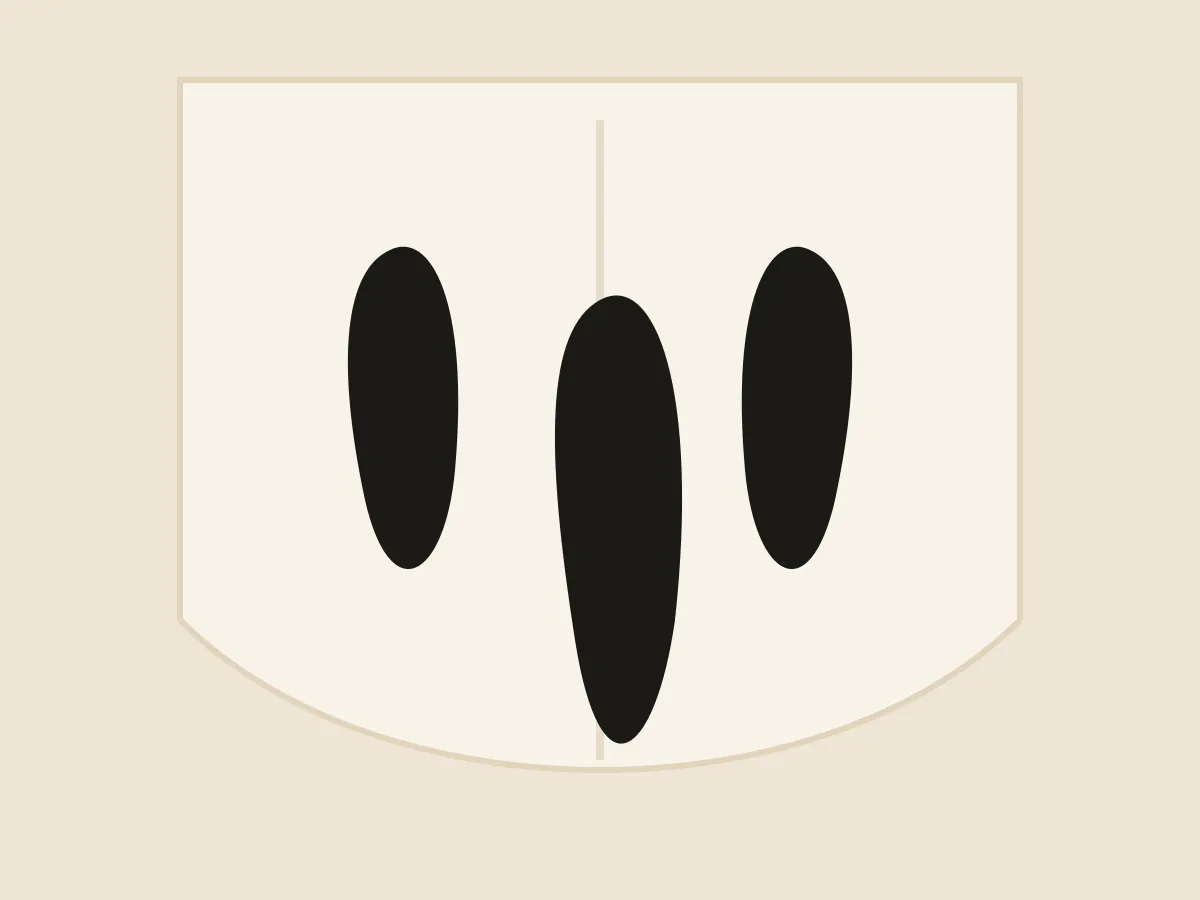
He keenly observed that twin fins excelled in immediate speed but became unreliable when pushed hard. Single fins provided admirable rail hold and smooth arcs but were rigid for aggressive maneuvers. The idea for the thruster wasn't a sudden "eureka!" moment but rather a meticulous, gradual evolution born from relentless trial and error, combined with a deep understanding of hydrodynamics and a shaper's intuition. Anderson's key insight was to synergistically combine elements: two smaller side fins positioned further forward to generate speed and drive, paired with a central fin for enhanced control, stability, and a reliable pivot point. This effectively bridged the gap between the speed and looseness of a twin fin and the unwavering control and drive of a single fin. This three fin origin was truly groundbreaking. He shaped the first thruster prototype in Australia, initially experimenting with parallel side fins before settling on the crucial elements of toe-in (fins angled slightly towards the board's stringer, creating a foil effect that increases water flow over the fin's surface, enhancing bite during turns) and cant (fins angled outwards from the board's bottom for lift, responsiveness, and reduced drag), which define the optimal fin setup to this day, significantly enhancing drive and grip.
This period marked a significant turning point in surfing history. Boards were progressively becoming shorter, wider-tailed, and more responsive, and the thruster provided the perfect engine for this ongoing design evolution. It empowered surfers to generate more speed from turns, hold a more critical line in the wave, and execute vertical maneuvers with unprecedented precision and power. Simon Anderson wasn't merely a shaper; he was a master craftsman and a surfer who profoundly understood the subtle, intricate nuances of board performance, and his invention brilliantly reflected this deep, intuitive understanding. For more on how fin systems dramatically influence performance, visit our Fin Systems Guide.
Simon Anderson's Competitive Edge and The Thruster's Debut
Simon Anderson didn't just invent the thruster; he unequivocally proved its superior effectiveness on the demanding world stage. Throughout late 1980 and 1981, he rode his newly designed thrusters in high-stakes competition. In 1981, he had a career-defining year, winning three major professional events: the prestigious Bells Beach Classic, the iconic Coke Surfabout, and the Rip Curl Pro. These victories weren't just personal triumphs; they were undeniable, irrefutable demonstrations of the thruster's superiority, proving its mettle in diverse, challenging conditions.
Before witnessing Simon Anderson triumph on a thruster, many professional surfers and renowned shapers were deeply skeptical. The concept of three fins seemed counterintuitive to some, suggesting unnecessary drag or complexity that would hinder performance. However, as they watched Anderson's unparalleled power, precise control, and radical maneuvers on his three-finned boards, skepticism swiftly turned to intense curiosity, followed by widespread adoption. The thruster invention was no longer merely an odd experiment; it was the unequivocal future of high-performance surfing.
Pro Tip (2026 Update): When trying a new fin setup or tweaking your thruster configuration, pay close attention to how the board drives through turns (side fins creating projection and speed) and how it maintains hold and control in the most critical sections of the wave (the center fin providing stability and a reliable pivot point). The thruster offers an unparalleled, balanced combination for diverse conditions, often further enhanced by contemporary fin materials (e.g., advanced carbon fiber composites, bio-resins, recycled plastics), refined foil designs optimized for specific board types, and sophisticated fin box systems (like FCS II and Futures) that allow for precise placement and tool-less tuning. Consider how different flex patterns in fins, achieved through varying core materials and fiberglass layups, can also fine-tune your ride, offering more drive, quick release, or a more fluid feel.
His competitive success was the ultimate, irrefutable validation, transforming a radical idea into the universally accepted industry standard. Within a mere few years, virtually every professional surfer was riding a thruster, and the design rapidly trickled down to recreational surfers across the globe. This widespread adoption firmly cemented Simon Anderson's legacy as one of the most influential figures in modern surfing history. To understand the different components Anderson revolutionized, explore our Surfboard Anatomy page.
The Unpacking of the Thruster: Why Three Fins Work
The enduring brilliance of the thruster invention lies in its synergistic design, where the three fins collaborate in perfect harmony to unlock unprecedented performance characteristics. The two side fins, typically foiled on both sides with an inside foil on modern performance fins (designed to create lift and reduce drag), and precisely canted outwards, provide essential lift, speed, and projection. When a surfer leans into a turn, the inside rail engages, and the inside side fin creates a dynamic resistance and powerful projection, much like the keel on a sailboat or the wing of an aircraft. This allows for incredibly powerful, arcing turns and rapid acceleration.
Crucially, the center fin provides unparalleled stability and control. It acts as a reliable pivot point and effectively prevents the tail from sliding out prematurely, especially during critical maneuvers, powerful bottom turns, or when navigating steep sections of a wave. This ingenious combination directly overcomes the inherent weaknesses of single and twin fin setups. A single fin excels at drive and trim but can feel stiff and severely limit maneuverability. Twin fins offer great speed, a loose feel, and a "skatey" aesthetic but can be unforgiving and prone to sliding out, particularly for heavier surfers, in larger, or more powerful waves, or when attempting vertical re-entries. The three fin origin provides the best of both worlds, offering the perfect blend of hold, powerful drive, and controlled release.
<mark>Table: Fin Setup Characteristics (Updated for 2026, featuring new developments)</mark>
| Fin Setup | Key Characteristics | Ideal For | Nuances & Modern Developments (Drawbacks or comparative nuances)