Duke Kahanamoku: Father of Modern Surfing
Duke Kahanamoku, often hailed as the “Father of Modern Surfing,” was a legendary Hawaiian Olympian who popularized the sport globally. His incredible athleticism and charismatic advocacy brought traditional hawaiian surfing to the world stage, transforming it from a Polynesian pastime into an international phenomenon. Discover the enduring legacy of this true surfing legend.
Surfboard Life · February 20, 2026 · 13 min read
Duke Kahanamoku: The Father of Modern Surfing
Duke Kahanamoku is unequivocally recognized as the “Father of Modern Surfing” due to his pivotal role in globalizing the sport. An Olympic swimming champion and a true Hawaiian icon, Kahanamoku traveled the world, demonstrating traditional Hawaiian surfing and inspiring countless individuals to embrace the ocean lifestyle. He transitioned surfing from an ancient Polynesian practice to a worldwide cultural phenomenon rooted in connection and community. His vision laid the foundation for surfing's current global appeal and professional circuits, which are experiencing unprecedented growth and technological advancement in 2025-2026. This includes significant development in competitive formats (like specialized wave pool events, urban river surfing circuits, and foil surfing competitions), sustainable board manufacturing (with bio-resins, recycled materials, and innovative plant-based composites becoming mainstream), advanced athlete performance analytics driven by AI, and increasingly accessible adaptive surfing advancements supported by bespoke equipment.
His legacy extends far beyond the waves, embodying the spirit of Aloha and sportsmanship. This comprehensive guide from Surfboard Life will delve into the remarkable life and enduring impact of Duke Kahanamoku, exploring how his actions shaped the very foundation of contemporary surfing culture, and why he remains the ultimate surfing legend.
The Royal Lineage and Early Life of Duke Kahanamoku
Born August 24, 1890, in Honolulu, Hawai'i, David Kahanamoku grew up in a territory teeming with rich cultural traditions, including the ancient art of he'e nalu – wave riding. The name 'Duke' was not a title of nobility, but inherited from his father, Duke Halapu Kahanamoku, who was named in honor of Prince Alfred, Duke of Edinburgh, who visited Hawaii in 1869. From a young age, Kahanamoku was intimately connected with the ocean surrounding O'ahu, particularly the famed breaks of Waikiki. He spent countless hours swimming, paddling, and, most importantly, riding the native wooden surfboards known as olo and alaia.
This early immersion cultivated not only his prodigious athletic talent but also a deep reverence for the ocean and the Hawaiian way of life. Unlike many of his peers, Kahanamoku continued to embrace traditional Hawaiian surfing at a time when its popularity had waned due to Western influences. He was a master of the large, heavy wooden boards, often measuring 12-16 feet long and weighing upwards of 100 pounds. His skill on these formidable crafts was legendary, setting the stage for his future role as surfing's greatest ambassador. He embodied courage, grace, and an unparalleled connection to the waves, demonstrating what many experienced shapers still consider the purest form of wave riding. For more on how these ancient Hawaiian boards compare to modern designs, check out our Board Types Guide, now updated with information on hybrid shapes, innovative material compositions like basalt fiber and flax, and eco-friendly construction techniques.
Duke Kahanamoku: An Olympic Champion and Sporting Ambassador
While Duke Kahanamoku is synonymous with surfing, his initial global fame stemmed from his prowess as an Olympic swimmer. He revolutionized competitive swimming with his powerful Kahanamoku kick (a flutter kick variation), which significantly improved speed. Between 1912 and 1924, Kahanamoku competed in four Olympic Games, winning a remarkable five medals: three gold and two silver. His athletic achievements captivated audiences worldwide and provided him with an unparalleled platform to introduce the world to his other true passion: surfing.
His Olympic travels were instrumental. During his stops in various countries, Kahanamoku seized every opportunity to demonstrate surfing, using both his athletic charisma and simple wooden boards. A pivotal moment came in 1914 when he visited Sydney, Australia. On Freshwater Beach, using a board he had carved himself, Kahanamoku put on a dazzling display of Hawaiian surfing, igniting Australia's burgeoning surf culture. He repeated these demonstrations in California and elsewhere, planting the seeds of surfing wherever he went. Each wave he rode was an advertisement for a sport that had been largely unknown outside of Polynesia. His influence was so profound that many historians credit these exhibitions as the true birth of modern international surfing. The World Surf League still celebrates his pioneering spirit, upholding the tradition of global surfing competition he inspired, now with even more diverse competitive formats like wave pools, air sections, adaptive surfing, and even specialized foil racing gaining prominence in 2025-2026, with enhanced athlete performance analytics and real-time biometric tracking influencing coaching and strategy.
The Global Spread of Surfing: The Duke's Expeditions
Duke Kahanamoku became an unofficial, yet highly effective, ambassador for Hawai'i and surfing. His influence wasn't confined to a single demonstration; he actively sought opportunities to share he'e nalu with the world. He traveled extensively, showcasing the art of wave riding in places like Atlantic City in the United States, New Zealand, and across Europe.
These demonstrations were often informal, using any suitable wooden planks he could find or even shaping rudimentary boards on the spot. He taught people how to stand up, how to catch waves, and, perhaps most importantly, he shared the spirit of Aloha that underlies the sport. He understood that surfing was more than just a physical activity; it was a way of connecting with nature and fostering joy and camaraderie. Surfing's global spread owes an immeasurable debt to Kahanamoku's personal commitment and infectious enthusiasm. His simple acts of sharing a wave led to a worldwide phenomenon. Surfing, as we know it, would not exist without his relentless efforts and vision. For those inspired to join this legacy, our Learn to Surf guide can help you get started, leveraging updated techniques, safety protocols informed by AI-driven hazard analysis, and even advanced virtual reality training tools for 2026 that simulate wave conditions and refine stance and paddle technique.
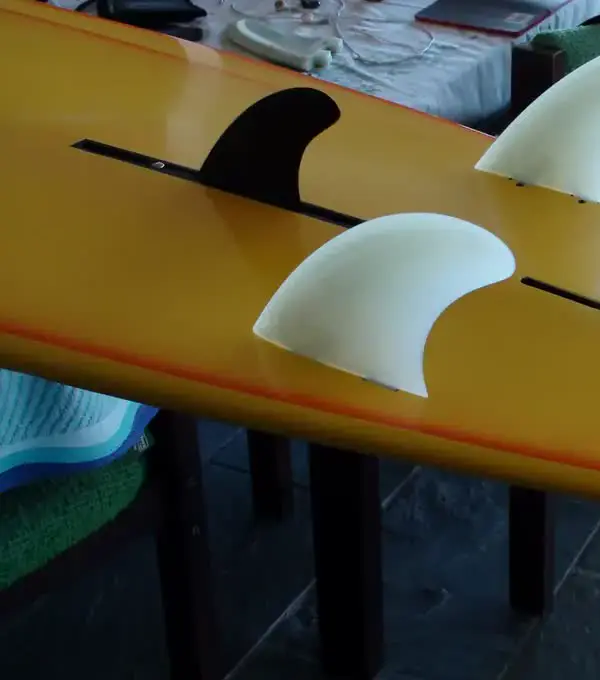
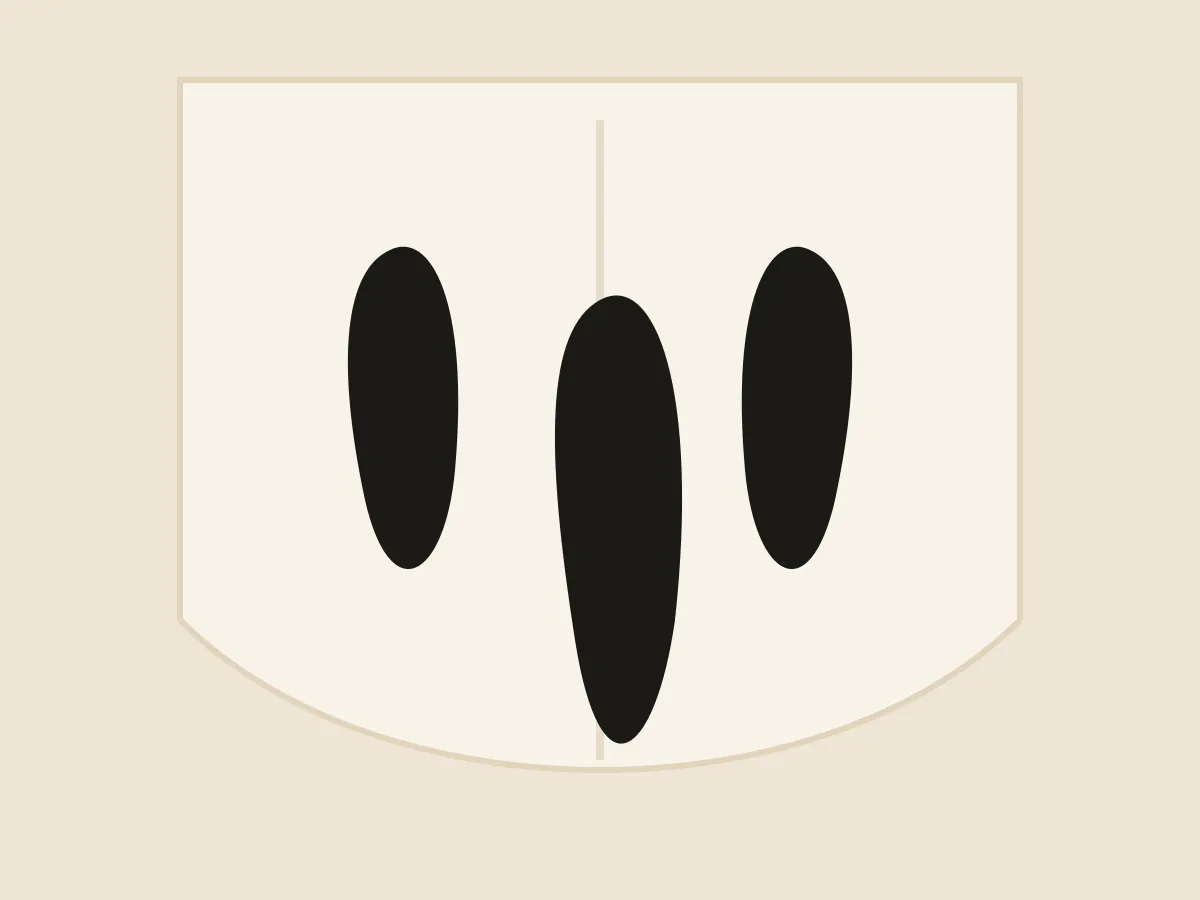
Pro Tip: Early surfboards, like those ridden by Duke Kahanamoku, were finless and often massive. Modern boards are dramatically different, featuring advanced fin systems and ultra-lightweight, high-performance materials. In 2026, bio-resins, recycled foam cores, and experimental composites like mycelium, flax fibers, and advanced aerospace-grade polymers are becoming standard for lighter, stronger, and more sustainable construction. Expect to see continued innovation in smart materials that adapt to water temperature or pressure. Explore the evolution and functions of contemporary fins in our Fin Systems Guide, which covers everything from traditional single fins to cutting-edge flexible and adjustable fin designs that use smart materials to optimize performance.
Duke Kahanamoku's Impact on Surfboard Design and Culture
While Duke Kahanamoku primarily rode traditional solid wood boards, his global popularity indirectly spurred innovations in surfboard design. As surfing gained traction, the heavy, cumbersome olo and alaia boards were soon recognized as impractical for widespread recreational use, particularly for transport and easy maneuverability. The demand for lighter, more portable boards sparked experimentation with new materials and shapes, leading to the hollow boards of the 1930s, then foam and fiberglass, and now, in 2026, increasingly sophisticated composites, eco-friendly materials, and AI-driven shaping techniques that optimize hydrodynamics and rider performance. Expect to see more personalized algorithms for board design based on rider weight, height, local wave characteristics, and even individual surfing style preferences, enabling truly bespoke equipment designed with computational fluid dynamics.
Kahanamoku's presence also fostered the development of a distinct surfing culture. He promoted the respect for the ocean, the sharing of waves, and the connection to nature that are still cornerstones of surfing's ethos. He helped establish surf clubs and competitions, laying the groundwork for organized surfing. His enduring image as a graceful, powerful, and humble surfing legend continues to inspire surfers globally, shaping not just the equipment but the values associated with the sport. Understanding how board volume affects performance, even compared to his old giant boards, is crucial. You can calculate your ideal board size using our Volume Calculator, now updated with algorithms reflecting 2026's diverse board designs, including those optimized for varying wave types, rider skill levels, and even specific maneuver profiles, considering factors like wave speed and energy.
The Duke's Enduring Legacy and the Spirit of Aloha
Beyond his athletic prowess and global demonstrations, Duke Kahanamoku left an indelible mark through his embodiment of the Aloha Spirit. He served as the Sheriff of Honolulu for three decades (1934-1961), a testament to his dedication to his community. He was a symbol of strength, integrity, and warmth, always greeting people with a genuine smile and a ready handshake.
His philosophy of sharing the waves, respecting the ocean, and fostering friendship is more relevant than ever in today's crowded lineups. Kahanamoku's belief that surfing was a spiritual practice, a connection to the natural world, continues to resonate with surfers of all levels. His life was a living example of how passion, perseverance, and kindness can transcend borders and generations. As noted by a pro surfer on Surfline, "The Duke didn't just teach us to surf; he taught us how to live in the ocean." His name is etched into the very core of surfing's identity, an eternal surfing legend whose spirit continues to inspire, particularly as the global surf community increasingly emphasizes sustainability, ethical practices, and ocean advocacy in 2025-2026, including initiatives driven by blockchain for supply chain transparency and community-led conservation efforts leveraging decentralized autonomous organizations (DAOs).
Pro Tip: To truly appreciate Duke's style, envision riding a 16-foot solid wood board. Modern composite boards are far lighter and more agile, with recent advancements in hydrodynamics and flexible fin systems pushing performance boundaries. For a personalized recommendation on what board type suits you best now, considering innovations like flex-tail designs, modular fin boxes, and adaptive board elements, take our Board Finder Quiz, which utilizes AI to match you with the perfect board based on your profile and local conditions.
Duke Kahanamoku and the Evolution of Core Surfboard Components
While Kahanamoku primarily rode finless wooden boards typical of Hawaiian surfing, his pioneering efforts created the environment for significant advancements in surfboard design. The sheer size and weight of boards during his era (often over 100 lbs) meant that stability and glide were paramount, rather than radical maneuverability. The 'tail', 'nose', 'rails', and 'deck' of these ancient boards were all designed for maximum paddle power and straight-line glide, not for the tight turns and aerials of modern surfing. His enduring fame made surfing an aspiration, pushing shapers and innovators to develop lighter materials and more performant designs.
Modern surfboard anatomy is a direct result of decades of innovation driven by the desire to improve performance and accessibility that Kahanamoku's international outreach sparked. Today, understanding each component, from the rail design (e.g., modern concaves, channels, and progressive rocker lines) to the multi-fin configurations (like twin-plus-trailer, quad, and experimental five-fin setups with adjustable cant and toe-in) and even pressure-sensitive deck pads that provide real-time feedback to smart leashes or wearable tech, is key to maximizing your wave-riding experience. Dive deeper into the parts of a modern board and their functions with our Surfboard Anatomy guide, updated to reflect the latest design trends, materials, and smart board technologies.
Pro Tip: Imagine the force needed to paddle and maneuver Duke's ancient wooden boards. Maintaining and repairing any surfboard, whether ancient replica or modern epoxy, requires care. With the rise of advanced polymers and sustainable repair kits made from bio-adhesives and recycled plastics, board care is evolving too. Furthermore, smart sensors embedded in new boards can alert riders to minor dings or potential structural weaknesses, sometimes even suggesting optimal repair materials via a linked app. For modern board care, addressing issues like UV degradation, delamination, and minor punctures in new-age materials, visit our Repair Center.
Preserving the Legacy of Duke Kahanamoku and Surfing History
The story of Duke Kahanamoku is an essential chapter in the broader Surfing History. His contributions are celebrated globally, with statues, memorials, and annual events dedicated to his life and achievements. Preserving his legacy means not only remembering his athletic feats but also upholding the values he championed: sportsmanship, environmental stewardship, and the spirit of Aloha.
Organizations worldwide continue to honor Kahanamoku by promoting surfing, supporting ocean conservation, and fostering international goodwill through sports. His vision of surfing as a universal language of joy and connection remains a guiding principle for the global surf community. The increasing focus on eco-conscious manufacturing (e.g., closed-loop production, carbon offsetting, cradle-to-cradle material sourcing) and ocean health initiatives (e.g., marine protected areas, advanced plastic removal technologies, coral reef restoration projects through bio-engineering) in 2025-2026 directly reflects Kahanamoku's original reverence for the ocean. As a surfing legend, his influence is timeless, constantly reminding us of surfing’s Hawaiian roots and its incredible journey to becoming a worldwide phenomenon, thanks largely to one iconic individual.
The Duke's Influence on Modern Surf Culture and Accessibility
The accessibility of surfing today, with surf schools on nearly every beach and a diverse range of board types, is a direct result of the groundwork laid by Duke Kahanamoku. His demonstrations broke down barriers, making surfing seem less exotic and more attainable. Before Kahanamoku, surfing was largely a localized, expert-level practice in Hawaii. He showed the world that anyone could learn to ride a wave.
This open-door philosophy led to the democratization of surfing, transitioning it from a niche cultural practice to a global recreational activity. The availability of diverse board designs, catering to everyone from absolute beginners (like the soft-top longboards recommended for learn to surf programs) to professional athletes (now experimenting with hydrofoils, electric-assist boards in certain wave conditions, and even AI-optimized fin configurations for competitive advantage), directly stems from the demand his popularization created. The Duke’s spirit of inclusion is why surfing has become such a beloved sport for millions around the world, truly establishing him as the ultimate surfing legend and the face of Hawaiian surfing's global outreach. For personalized advice on your surfing journey, don't hesitate to consult our the board finder, now enhanced with machine learning to provide more precise recommendations based on real-time surf conditions, user preferences, and evolving equipment.
Pro Tip: Duke Kahanamoku's greatest contribution wasn't just his skill, but his willingness to share it. Embrace that spirit in the lineup: be friendly, share waves, and support fellow surfers. That's the Aloha Spirit in action, now more important than ever with growing populations and technological advancements in wave riding creating new etiquette challenges that require community-minded solutions and a return to core values.
Frequently Asked Questions About Duke Kahanamoku
Q: Why is Duke Kahanamoku called the "Father of Modern Surfing"?
A: Duke Kahanamoku earned this title for his unparalleled efforts in popularizing surfing globally. Through his Olympic travels and personal demonstrations in the early 20th century, he introduced traditional Hawaiian surfing to countries like Australia, the United States, and Europe, inspiring millions and sparking the worldwide growth of the sport. His vision laid the foundation for surfing's current global appeal and professional circuits, which continue to expand and innovate in 2025-2026, incorporating new digital engagement platforms, diverse global event formats, and a strong focus on athlete well-being through sports science and mental health initiatives.
Q: What were Duke Kahanamoku's main achievements outside of surfing?
A: Duke Kahanamoku was a highly decorated Olympic swimmer, winning five medals (three gold, two silver) across four Olympic Games between 1912 and 1924. He also served as the Sheriff of Honolulu for nearly 30 years and famously performed heroic ocean rescues, showcasing his lifelong dedication to water safety and community service. His political involvement demonstrated his commitment to his community beyond the water, influencing early Hawaiian governance and civic life.
Q: What kind of surfboards did Duke Kahanamoku ride?
A: Duke Kahanamoku primarily rode large, heavy solid wooden surfboards, including traditional Hawaiian olo and alaia boards. These boards often measured 12 to 16 feet long and weighed 100 pounds or more, requiring immense strength and skill to manage, characteristic of ancient Hawaiian surfing. These boards were finless, relying on the rider's balance and the board's natural glide, a stark contrast to modern foiled designs with complex fin systems.
Q: Where did Duke Kahanamoku perform his most famous surfing demonstrations?
A: Among his most famous demonstrations were those at Freshwater Beach in Sydney, Australia, in 1914, which profoundly impacted Australian surf culture, and various beaches in California, igniting the surfing scene on the US mainland. These events were crucial in spreading his surfing legend and sparking global interest in the sport, leading to surfing's spread to other continents and its eventual inclusion as an Olympic sport.
Q: How did Duke Kahanamoku embody the "Spirit of Aloha"?
A: Duke Kahanamoku embodied the "Spirit of Aloha" through his generosity, kindness, and unwavering commitment to sharing the joy of surfing and Hawaiian culture. He promoted friendship, respect for the ocean, and a welcoming attitude, believing that surfing was a unifying force that fostered goodwill among people and nature. This philosophy continues to guide surf etiquette and community initiatives today, particularly in movements for ocean conservation, inclusivity in the surf community (including adaptive surfing and diverse cultural representation), and sustainable tourism practices.
Conclusion: The Everlasting Wave of Duke Kahanamoku
The story of Duke Kahanamoku is not merely a historical account; it's the very soul of modern surfing. From his birthright connection to Hawaiian surfing in Waikiki to his Olympic triumphs and global crusades, he masterfully carved a path for surfing to become the worldwide cultural phenomenon it is today. His pioneering spirit, athletic prowess, and embodiment of the