Fall Surfing Board Recommendations: Colder Water, Bigger Waves
Discover the ultimate fall surfing board recommendations to conquer colder water and more powerful waves. This guide cuts through the noise, helping you choose the best surfboards for fall waves, factoring in wetsuit thickness, increased volume needs, and dynamic autumn swells. Elevate your autumn sessions by making informed board choices.
Surfboard Life · July 27, 2026 · 16 min read
As the leaves change and temperatures drop, so too do the waves transform. For surfers, autumn ushers in a highly anticipated season often characterized by more consistent swell, increased power, and fewer crowds—but also colder water and the need for thicker wetsuits. Choosing the right equipment for these shifting conditions is paramount to maximizing your time in the water. Our fall surfing board recommendations provide critical insights to help you select the perfect board to thrive in autumn's unique challenges.
Optimizing your board for fall means accounting for factors like increased buoyancy needed due to thicker wetsuits, the ability to paddle into more powerful and varied swell, and the often-colder, choppier conditions. We'll delve into specific board types, volume considerations, and regional nuances—from hurricane swells on the East Coast to early winter waves on the West Coast—to ensure you’re perfectly equipped for the season. Don't let the colder water deter you; with the right board, fall can be the most rewarding time of the year to surf.
Decoding Fall Conditions: Why Your Board Needs a Seasonal Update
Fall isn't just a slight chill; it's a fundamental shift in the character of the surf. The transition from summer's playful rollers to autumn's more serious swells demands a re-evaluation of your quiver. This is where tailored fall surfing board recommendations become essential. What worked perfectly for a playful summer day might feel inadequate or even dangerous when facing a powerful autumn swell offshore.
Firstly, colder water temperatures mean donning thicker wetsuits, gloves, booties, and even hoods. This additional neoprene, while crucial for warmth, significantly impacts your paddling efficiency and overall buoyancy. A 4/3mm or 5/4mm wetsuit acts as a flotation device, but it also increases drag and the physical effort required to paddle. This directly affects your optimal surfboard volume. Many surfers find they need to add a liter or two of volume to their usual summer board to compensate for the added weight and drag of their winter neoprene. You can use our Volume Calculator to help dial in your ideal displacement, remembering to factor in your wetsuit. For instance, a surfer who rides a 30L board in a spring suit might find a 32L-33L board more comfortable and effective in a full 5/4mm suit.
Secondly, fall often brings a significant increase in swell power and consistency. The storm systems that brew in the North Atlantic and Pacific are typically stronger and more organized than their summer counterparts, leading to longer period swells with more energy. This translates to faster, hollower, and more challenging waves. Your board needs to be able to handle this power, offering stability at speed, drive through sections, and the ability to duck dive larger sets. This is why many surfers gravitate towards boards with more rail line, a bit more rocker, and often a slightly narrower outline for enhanced control.
Proximity to hurricane season—especially on the East Coast—means an influx of powerful, often messy, and rapidly changing swell events. Hurricane season surfboards need to be versatile, able to handle everything from groomed overhead barrels to chaotic, wind-swept choppiness. This versatility often pushes surfers towards options that blend speed with control. Surfline often provides excellent forecasts during these periods, detailing swell direction and intensity (worldsurfleague.com/events/latest).
Finally, shorter days mean less daylight for surfing, so making the most of every session is crucial. This underscores the importance of having the best surfboards for fall waves – a board that instills confidence and performs optimally in the conditions.
Choosing the Best Surfboards for Fall Waves: Volume and Design
When sifting through fall surfing board recommendations, two critical factors always come to the forefront: volume and design characteristics. These elements are intrinsically linked to adapting to colder water and more potent swells.
Surfboard Volume & Cold Water: We've touched on it, but it bears repeating: surfboard volume cold water requirements are usually higher. That thick wetsuit, coupled with booties and gloves, adds significant weight and bulk, making paddling harder and reducing your natural buoyancy. To counteract this, consider adding 1-3 liters to your typical summer board volume. This extra foam provides better paddle power, easier wave entry, and increased stability, especially crucial when dealing with choppier, wind-affected autumn surf. Using our Volume Calculator and inputting your weight plus the estimated weight of your full wetsuit setup can give you a more accurate starting point. Experienced shapers often advise a slight increase in thickness in the board's center for fall boards, which translates directly to more volume and better float.
Design Characteristics for Autumn:
- Rocker: Boards with a moderate entry rocker will help prevent nose-diving in steeper, more critical fall waves, while a balanced tail rocker allows for tight turns and release. Overly flat rockets, while fast in summer slop, can be a liability in powerful autumn swells.
- Outline: A slightly narrower nose and tail compared to summer grovelers can enhance control and hold in powerful, hollow waves. The best surfboards for fall waves typically feature a more refined outline that slices through water rather than skipping over it.
- Rails: Medium to slightly refined rails offer a good balance of forgiveness and sensitivity. Thicker, boxier rails can be harder to engage in steeper waves, while overly sharp rails can catch in chop. A balanced rail allows for smooth transitions and strong turns.
- Tail Shapes: Pin tails or rounded pin tails are excellent choices for fall. They provide more hold in bigger, faster waves and allow for good control. Squash tails are versatile but might feel a bit loose in extremely powerful conditions. Swallow tails offer drive and speed, but their two points can be more prone to damage.
Many pro surfers switch to slightly longer (1-2 inches) and narrower boards with more rocker for bigger wave conditions, indicating a preference for control and hold over sheer speed when the waves get serious (worldsurfleague.com).
Regional Recommendations: Tailoring Boards to Autumn Swells
Fall conditions aren't uniform across all surfing regions. Recognizing the distinct characteristics of different coasts during autumn is key to making the right fall surfing board recommendations. This nuanced approach helps you select the best surfboards for fall waves specific to your local break.
East Coast: Hurricane Season Surfboards & Nor'easters
The East Coast, particularly from August through November, is synonymous with hurricane season surfboards. These powerful, often unpredictable tropical swells can deliver incredible, barreling waves, but also strong currents and chaotic conditions. Post-tropical systems can blend with cold fronts to create fierce Nor'easters, bringing significant swell and strong winds.
- Performance Shortboards (with extra volume): For the truly powerful days, a step-up or a performance shortboard with a bit of added volume (2-4L above your summer shortboard) is crucial. This allows for easier paddle-in and stability in steep drops. Aim for a rounded pin or a subtle swallow tail for hold in barrels. A board like a
Pyzel Ghostor aChilli Faderwould be in this category. - Hybrid/Mid-Length Funboards: For the more unruly, choppy hurricane surf, or the smaller residual swells, a hybrid or mid-length provides stability, paddle power, and a wider sweet spot. These are excellent transition surfboards autumn for East Coast surfers who want to maximize wave count without sacrificing maneuverability. Check out our Board Types Guide for more on these versatile shapes.
- Fin Setup: A thruster (3-fin) setup offers a balance of drive and control, ideal for unpredictable hurricane swells. For larger, more predictable waves, a quad (4-fin) can provide enhanced speed and hold. Our Fin Systems Guide can help you choose the right fins for your fall quiver.
Pro Tip: Always check multiple forecast sites like Surfline (surfline.com) in hurricane season. Swells can shift rapidly, and knowing the latest conditions will influence your chosen board and fin setup for the day.
West Coast: Early Winter Swells & Pacific Bombs
On the West Coast, autumn signals the arrival of the formidable North Pacific swells. These are typically long-period, powerful, and organized. From Southern California's juicy points to the Pacific Northwest's raw coastal breaks, the need for boards that can handle genuine power becomes apparent.
- Step-Up Boards: For bigger days, a dedicated step-up board (6'6" to 7'6" typically) is non-negotiable. These boards offer significant extra length and volume for paddle power and stability in larger, faster waves. They often feature more refined noses, rounded pin tails, and increased rocker lines to handle steeper drops and high speeds. Fall surfing board recommendations for the West Coast often highlight these boards as essential.
- Performance Shortboards (Daily Driver): For the more manageable, yet still powerful, fall days, a performance shortboard with a slightly more pulled-in nose and tail than your summer board will be crucial. Think
Channel Islands CI ProorFirewire Seaside. These transition surfboards autumn are perfect for those shoulder-season days when the waves are increasing in size but not quite full winter bombs. - Hybrid/Fish (for smaller days or easier entry): Even during fall, smaller days or less powerful periods occur. A slightly bulked-up fish or hybrid can still be a blast, providing speed and glide, but look for one with a bit more length or volume than your summer version to aid in cold water paddling.
Pro Tip: West Coast fall swells often arrive with strong currents. Paddle fitness is key, but a board with ample paddle power can help you conserve energy. Consider longer paddling warm-ups on these colder mornings.
Great Lakes & Inland Surfing: Wind Swell Warriors
Surprisingly, fall is a prime season for inland surfing, particularly on the Great Lakes. Here, large fetch and strong autumn winds generate impressive, albeit different, swells. The water gets frigid quickly, emphasizing the need for robust wetsuits and boards that handle choppy, wind-driven waves.
- Fish/Hybrid Boards with Max Volume: Stability and paddle power are paramount in the Great Lakes. Boards with generous volume and a wider outline, like a modern fish or a high-volume hybrid, excel here. The extra width and foam help navigate the often-choppy conditions and catch the punchy, short-period wind swells. Look for designs that prioritize speed and lift.
- Soft Tops (for beginners/cold training): For those just getting into fall surfing on the lakes, or for a fun, durable option, a robust soft top can be an excellent choice. They offer maximal buoyancy and are forgiving in turbulent water. Check out our Learn to Surf guide for more on beginner-friendly options, which can be adapted for cold water performance.
- Construction: Epoxy boards or durable constructions can be advantageous due to the often-rugged nature of lake surfing and cold-weather bumps and dings.
Pro Tip: Great Lakes water temperatures can drop dramatically. Invest in the warmest wetsuit gear you can afford, and always go with a buddy. Safety in these extreme conditions is paramount.
The Role of Fins and Construction for Fall Performance
Beyond the board itself, the choice of fins and the board's construction play a significant role in optimizing your fall surfing board recommendations. These often-overlooked components can dramatically impact how your board performs in the colder, more powerful conditions of autumn.
Fins for Fall Swells
Your fin choice needs to match the increased power and speed of fall waves. Generally, in bigger, more powerful surf, you'll want fins that provide more hold, drive, and control.
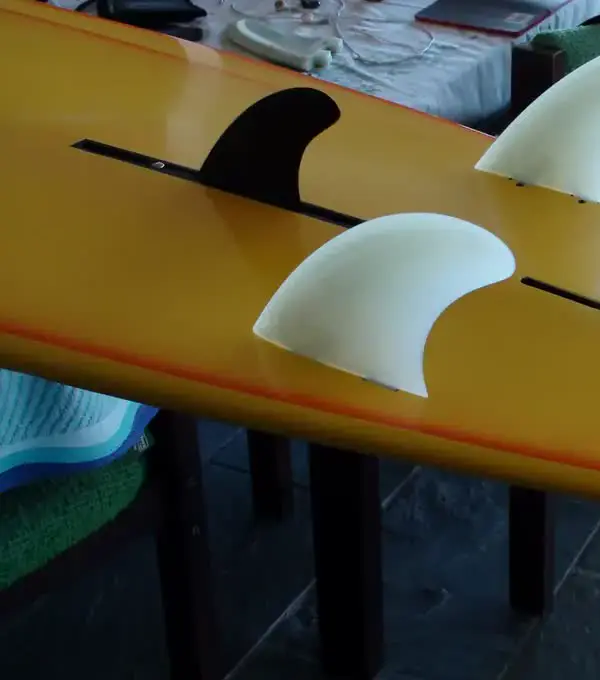
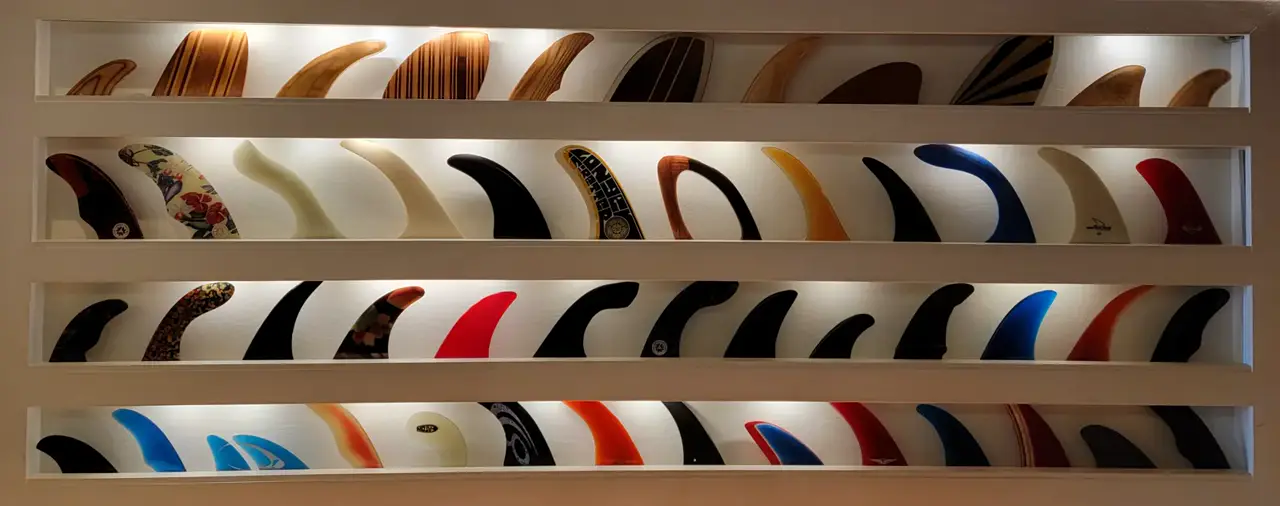
- Bigger Fins, More Hold: Often, surfers size up their fins slightly for fall. Larger fin templates provide more surface area, which translates to greater drive and hold through turns, preventing your board from sliding out in critical sections.
- Stiffer Materials: Composite or carbon fins offer more rigidity than softer plastic fins, providing a more direct and responsive feel. This is beneficial when trying to hold a line in powerful waves.
- Thruster (3-fin) vs. Quad (4-fin):
- Thruster: The classic setup, offering a balanced combination of drive, pivot, and control. It's a reliable choice for most fall conditions, particularly when the waves are a bit hollow or require vertical turns.
- Quad: Can generate immense speed and hold, especially advantageous in down-the-line, faster waves. Some surfers find quads feel a bit looser on vertical snaps but excel at carving big arcs. Experiment with different Fin Systems Guide to find what works best for your style and local conditions.
- Single Fin/2+1 (for Mid-Lengths/Longboards): If you're riding a mid-length or longboard in fall, a larger single fin or a 2+1 setup will give you maximum hold and glide in bigger swells, perfect for trimming on longer walls.
Experienced shapers like Matt Biolos often discuss how fin placement and cant are crucial for adapting board performance to different wave types, a principle particularly relevant for fall's diverse swells (stabmag.com).
Construction Considerations
While traditional PU (polyurethane foam with polyester resin) boards remain popular for their flex and feel, other constructions offer distinct advantages for fall surfing.
- EPS/Epoxy: Epoxy boards (EPS foam core with epoxy resin) are generally lighter and more buoyant than PU boards. This added buoyancy can be beneficial in colder water as it aids paddling and makes the board feel more lively, especially useful when navigating choppy conditions caused by strong autumn winds. They are also more durable, which is a plus when dealing with heavier waves or potential travel dings.
- Carbon Stringers/Inserts: Some high-performance boards incorporate carbon fiber elements into their construction. These can provide added strength, torsional stiffness, and dynamic flex patterns, translating to more drive and responsiveness in powerful surf.
- Durability for Travel & Cold: Fall often means chasing swells, sometimes to remote locations. A more durable construction might save you a trip to the Repair Center after a bumpy journey or a heavy wipeout.
Pro Tip: Before committing to a new board, consider borrowing a similar model from a friend or trying a demo. The feel of a board in colder water and a thicker wetsuit can be quite different from summer sessions.
Transitioning Your Quiver: From Summer Groveler to Autumn Performer
Seasoned surfers adeptly manage their quiver, understanding that different conditions demand different tools. The transition from your summer setup to your autumn arsenal is a prime example of this. It’s about more than just grabbing a different board; it’s about adjusting your mindset and understanding how your equipment works together to conquer autumn's swell.
Many surfers spend summer on shorter, wider, flatter boards designed for weaker waves – often referred to as grovelers or fun boards. These are fantastic for maximizing wave count when the surf is small and playful. However, when fall arrives with its increased power and size, these boards can become challenging to control. They might skip out on steep drops, lack hold in turns, or be difficult to duck dive under larger sets.
Key Transition Strategies:
- Introduce a
Step-UporPerformance Shortboard: As discussed, this is often the first fall surfing board recommendation. If you're used to a 5'6" fish in summer, consider opting for a 5'10"-6'2" performance shortboard, or even a true step-up for the big days. Look for designs that enhance control and stability at speed, sacrificing a little bit of low-end wave catching for high-end performance. Our Board Finder Quiz can help you narrow down options based on your skill level and ideal conditions. - Volume Adjustment: Reiterate the 1-3 liter bump. Don’t be afraid of a little extra foam. It’s not a sign of weakness; it’s a sign of intelligent adaptation to the conditions. An extra liter can be the difference between catching that epic wave and missing it due to insufficient paddle power in your thick wetsuit.
- Wider Tails, Pulled In Noses for Hybrids: If you love your hybrid or fish shapes, look for versions with slightly more pulled-in noses and rounded or pin tails. These transition surfboards autumn designs retain some of the paddle power and speed of a wider board but offer more control in steeper, more powerful waves than their full-blown summer counterparts.
- Embrace Mid-Lengths: The mid-length surfboard (typically 6'8" to 8'0") is an unsung hero of fall. Their increased length and volume make them exceptional paddlers, allowing you to get into waves early. They offer incredible drive and stability, making them fantastic choices for drawing longer lines on powerful, open-faced waves. They are also less demanding than a pure shortboard but still incredibly rewarding to ride. This makes them some of the best surfboards for fall waves for a wide range of skill levels.
- Fin Experimentation: Don't just swap boards; swap fins. The right fin setup can transform a board's feel. A more raked fin can offer more drive, while a more upright fin provides greater pivot.
Pro Tip: Your Surfboard Anatomy knowledge can help here. Understanding how rocker, outline, and rail shape contribute to performance will empower you to make smarter board choices for the fall's dynamic conditions.
Maximizing Your Fall Surfing Experience: Beyond the Board
While the right fall surfing board recommendations are crucial, maximizing your autumn surfing experience extends beyond the board itself. Cold water surfing requires a holistic approach, encompassing safety, physical preparation, and a keen understanding of the conditions.
Prioritizing Safety in Colder Water
- Wetsuit Technology: Invest in a high-quality, properly fitting wetsuit. Modern neoprene technology, like Graphene-infused linings or sealed seams, makes a massive difference in warmth. Don't skimp on booties, gloves, and a hood—hypothermia is a real risk.
- Paddle Fitness: Autumn swells often mean longer paddle-outs and stronger currents. Maintain your paddle fitness through regular surfing or complementary exercises.
- Surf with a Buddy: Shorter days, colder water, and heavier waves increase risk. Always try to surf with someone, especially in unfamiliar or remote spots.
- Know Your Limits: Increased wave size and power require an honest assessment of your skills. Don't push yourself into conditions beyond your comfort or ability level. There will always be another swell.
Embracing the Autumn Vibe
Fall surfing offers a unique ambiance—crisp air, golden light, and often fewer crowds. These elements can make for some of the most memorable sessions of the year.
- Early Mornings are Key: Fall often delivers the best conditions in the early morning before local winds pick up. Being prepared with your thermos of coffee and an appropriate board means you won't miss out.
- Appreciate the Power: The increased power of autumn swells can be exhilarating. Learn to read the ocean's energy and select waves that suit your chosen board for that session.
- Board Maintenance: Cold water can be harsh on gear. Ensure your boards are waxed correctly (cold water wax!), leashes are in good condition, and any dings are promptly repaired. Our Repair Center has tips for maintaining your quiver year-round.
By combining the right fall surfing board recommendations with a mindful approach to safety and preparation, you're not just enduring the colder months; you're actively seeking out and enjoying some of the best wave experiences surfing has to offer. For more personalized advice, feel free to chat with our the board finder which can help fine-tune your choices based on hyper-local conditions.
Conclusion: Ride the Autumn Swell with Confidence
Fall surfing is a season of unparalleled opportunity, presenting surfers with more powerful, consistent waves and often a reprieve from summer crowds. However, it equally demands a thoughtful approach to equipment, particularly when it comes to selecting the right board. Our comprehensive fall surfing board recommendations emphasize adjusting for colder water and thicker wetsuits by intelligently increasing surfboard volume cold water, opting for design features that enhance control in heavier waves, and tailoring choices to regional swell patterns. Whether you're navigating East Coast hurricane season surfboards, tackling West Coast early winter swells, or carving on Great Lakes windchop, having the best surfboards for fall waves will transform your autumn sessions. Embrace the seasonal shift, fine-tune your quiver with the right transition surfboards autumn, and confidently paddle out into the ocean's invigorating embrace. Prepare to discover why autumn is often lauded as the favorite season for many an experienced shredder.
Frequently Asked Questions (FAQ)
Q1: How much volume should I add to my board for cold water surfing?
A1: For cold water surfing with a thicker wetsuit (e.g., 4/3mm or 5/4mm), most surfers benefit from adding 1-3 liters of volume to their usual summer board. This compensates for the added weight and drag of the neoprene, making paddling easier and increasing wave count.
Q2: What's the best type of surfboard for East Coast hurricane swells?
A2: For East Coast hurricane swells, versatile performance shortboards with a bit of extra volume and a rounded pin or subtle swallow tail are ideal for power and hold. Hybrid/mid-length funboards are also excellent for handling varied, often choppy hurricane surf, offering stability and paddle speed.
Q3: Should I change my fins for fall surfing?
A3: Yes, it's often advisable to change your fins for fall surfing. Consider slightly larger fin templates and stiffer materials (e.g., composite or carbon) to provide more hold, drive, and control in the more powerful, faster waves typically encountered during autumn. Thruster setups are versatile, while quads offer speed.
Q4: Are mid-length surfboards good for fall conditions?
A4: Absolutely. Mid-length surfboards (typically 6'8" to 8'0") are excellent for fall conditions. Their increased length and volume offer superior paddle power and stability, making it easier to catch larger, more powerful autumn swells and draw long, graceful lines.
Q5: How does a thicker wetsuit affect board buoyancy and performance?
A5: A thicker wetsuit adds weight and bulk, which slightly reduces your body's natural buoyancy but significantly increases drag. This means your board needs more inherent buoyancy (i.e., volume) to maintain optimal paddle efficiency and wave-catching ability in cold water. Without this adjustment, your board can feel slower and harder to paddle.