2026 Surfboard Technology: Electric vs. Traditional Waves
The year 2026 is set to redefine wave riding, bringing forth revolutionary 2026 surfboard technology that blends electric propulsion with advanced traditional designs. This article delves into the innovations shaping the future of surfing, exploring electric vs traditional surfboards and charting the path for exhilarating new wave surfboard tech.
Surfboard Life · July 23, 2026 · 12 min read
2026 Surfboard Technology: Electric vs. Traditional Waves
2026 surfboard technology is ushering in an era of unprecedented innovation, characterized by a fascinating dichotomy between advanced electric propulsion and refined traditional board designs. These advancements promise enhanced performance, accessibility, and sustainability across the surfing spectrum, catering to every type of rider.
The world of surfing stands on the precipice of a radical transformation. As we look towards 2026, the landscape of surfboard design and function is evolving at an incredible pace. Gone are the days when a surfboard was simply a foam blank shaped for wave riding; today, it’s a canvas for cutting-edge materials, intricate hydrodynamics, and even sophisticated electronics. This article will dive deep into the exciting developments defining 2026 surfboard technology, offering critical insights into the ongoing debate of electric vs traditional surfboards. We'll explore the groundbreaking eFoil technology 2026 is bringing, alongside significant advancements in conventional board construction, providing a comprehensive look at the new wave surfboard tech poised to hit the market.
The Rise of Electric Surfboards: eFoil Technology 2026
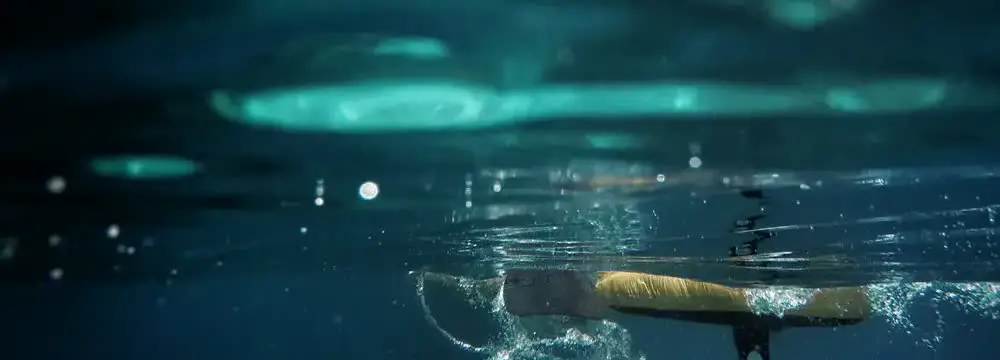
One of the most talked-about advancements in 2026 surfboard technology is the continued exponential growth and refinement of electric surfboards, particularly eFoil technology 2026. These boards, which generate lift from a hydrofoil wing similar to an airplane wing, allow riders to glide silently above the water's surface, creating an entirely new surfing experience. Early models hinted at the potential, but 2026 is seeing significant leaps in battery life, motor efficiency, and control systems.
Manufacturers like Fliteboard and Lift Foils are leading the charge. We're seeing solid-state battery technology becoming more common, offering a 30-40% increase in energy density compared to previous lithium-ion batteries. This translates to extended ride times, with some models promising upwards of 1.5 to 2 hours on a single charge – a significant improvement for long-duration sessions. Motor units are becoming more compact, integrated seamlessly into the mast, reducing drag and improving hydrodynamic efficiency. AI-driven stabilization systems are also emerging, particularly beneficial for beginners. These systems use gyroscopes and accelerometers to dynamically adjust the foil's angle, making learning to foil significantly easier and safer. According to a recent report by Brunswick, their AutoCaptain system, showcased at upcoming tech expos, is designed to assist riders in maintaining balance and trajectory, effectively flattening the learning curve for eFoil technology 2026.
However, the cost of entry for these high-tech marvels remains substantial, with premium models starting from around $10,000-$15,000. While this is an investment, the thrill and unique experience they offer are unmatched. For those curious about getting into this sphere, understanding the different Board Types Guide for hydrofoils is essential, as dimensions and wing shapes drastically impact performance. The safety regulations for electric boards are also evolving. Many coastal authorities are implementing speed limits and designated zones for electric watercraft, and riders should always check local ordinances. Independent tests indicate top speeds for dedicated eFoil racing models, such as the FLITE RACE, can reach up to 34 mph, pushing the boundaries of what's possible on water.
Pro Tip: When considering an eFoil, pay close attention to the foil aspect ratio. Higher aspect foils offer more glide and efficiency for experienced riders, while lower aspect foils provide more stability and maneuverability for learners. Experimenting with different fin setups is also crucial, much like with traditional boards, though the fin here is the hydrofoil itself.
The Evolution of Traditional Surfboards: New Wave Surfboard Tech
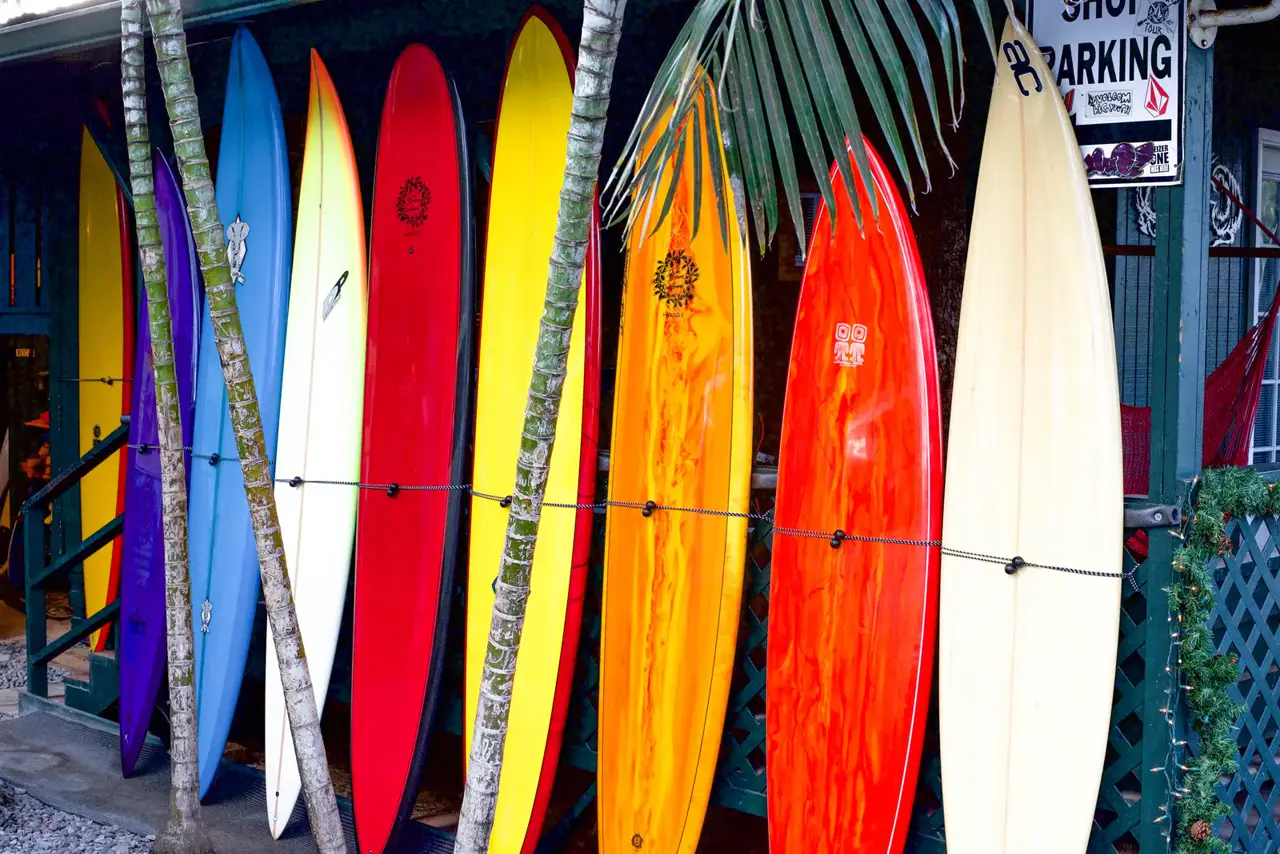
While electric boards capture headlines, the advancements in traditional, wave-powered surfboards in 2026 surfboard technology are equally profound, focusing on materials, construction, and hydrodynamics. The goal remains the same: to create boards that are lighter, stronger, more responsive, and more sustainable.
Core Materials and Construction
Foam cores are undergoing significant transformation. While polyurethane (PU) and expanded polystyrene (EPS) remain staples, newer, more environmentally friendly alternatives are gaining traction. Recyclable bio-resins are becoming more prevalent, reducing the carbon footprint of production. Companies like Firewire are at the forefront, utilizing materials such as BLOOM Foam, derived from algae, and Helium construction, which incorporates aerospace-grade composites for an almost unparalleled strength-to-weight ratio. These innovations result in boards that are not only durable but also incredibly lively underfoot. Experienced shapers note that these new core and laminate combinations allow for incredibly precise flex patterns, optimizing energy transfer from the rider to the wave.
Lamination processes are also seeing upgrades. Vacuum bagging and epoxy resin infusions are becoming standard for higher-end boards, ensuring consistent material distribution and reducing weight by eliminating excess resin. This precision manufacturing, often incorporating AI design iterations, translates to faster, more agile boards that excel in new wave surfboard tech scenarios.
Fin Systems and Hydrodynamics
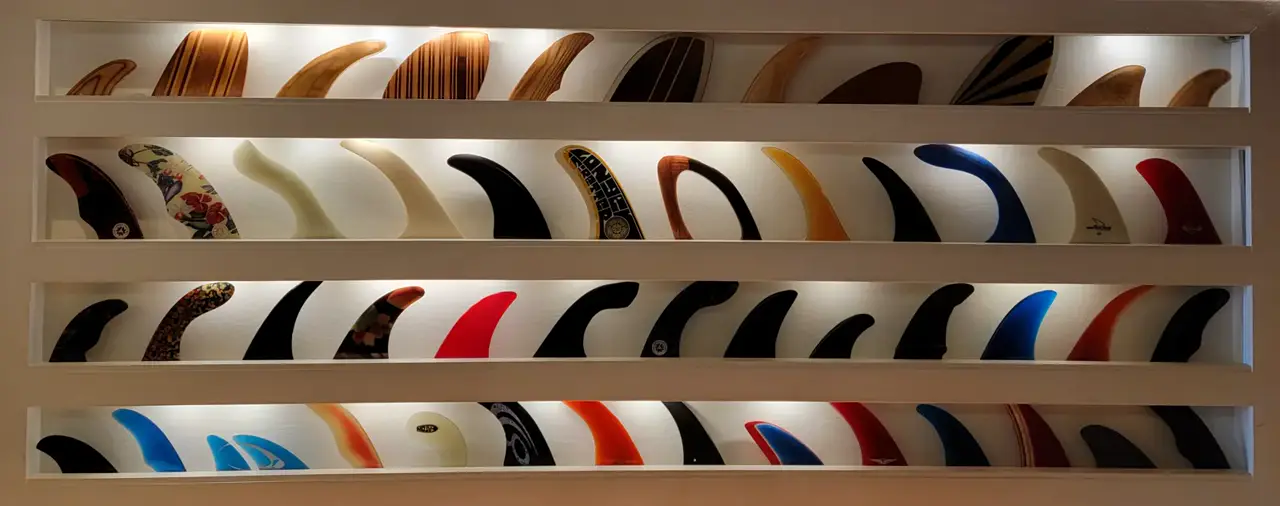
Fin technology continues to be a crucial area of research. While FCS II and Futures remain dominant, 2026 surfboard technology is introducing more adjustable and customizable fin systems. We're seeing prototypes of active fin systems that could allow riders to adjust fin cant and toe-in on the fly using small, internal motors, though these are still in early development. More immediately impactful are advancements in fin foil design, with new profiles that reduce drag and increase lift, leading to better speed and control. Understanding different Fin Systems Guide and how they interact with board shape is paramount for maximizing performance.
Hydrodynamic channels and concaves are becoming increasingly complex. Double concaves through the fins, vee bottoms, and even subtle rail channels are being meticulously calculated with computational fluid dynamics (CFD) software, minimizing drag and maximizing lift. Pro surfers often emphasize the subtle nuances these bottom contours provide in critical sections of the wave, highlighting the sophisticated new wave surfboard tech at play.
Electric vs Traditional Surfboards: A Head-to-Head Comparison for 2026
The fundamental difference between electric vs traditional surfboards in 2026 lies in their power source and the type of riding experience they offer. Both categories are experiencing rapid advancements, but their applications and target riders are distinct.
| Feature | Electric Surfboards (e.g., eFoils) | Traditional Surfboards (e.g., Shortboards, Longboards) | | :---------------- | :--------------------------------------------------------------------- | :---------------------------------------------------------------------------------- | | Power Source | Electric motor, battery (solid-state, lithium-ion) | Wave energy, rider propulsion | | Wave Dependency | Minimal to none; can create their own glide on flat water | Highly dependent on wave quality and size | | Skill Level | Relatively easier to learn (especially with stabilization tech), but advanced foiling takes practice | Requires significant time to develop paddling, wave selection, and balance skills | | Cost (2026) | High ($8,000 - $18,000+) | Moderate to High ($600 - $2,000+ for custom/premium) | | Maintenance | Battery charging, motor checks, potential electronic repairs | Ding repair, waxing, fin care | | Portability | Heavier, larger, often requiring special transport | Lighter (avg. 5-15 lbs), easier to transport | | Speed Potential | Very high (20-30+ mph on good conditions) | Dependent on wave speed, board design, and rider skill | | Eco-Impact | Battery disposal concerns, electricity consumption | Material sourcing (foam, resin), production waste | | Noise Level | Silent (eFoils) to moderate hum (jetboards) | Silent (wave and wind noise) |
Real-world testing/reviews of 2026 models show that electric boards consistently outperform traditional boards in flat water and small chop conditions, offering carving and gliding sensations previously impossible. Conversely, new traditional boards, like the upcoming 2026 Lib Tech Jet Stream or specific Firewire models, offer unparalleled responsiveness and connection to the wave's energy, which dedicated surfers crave. Choosing between electric vs traditional surfboards boils down to your desired experience, local conditions, and budget.
Surfer-Centric Design: Personalization & Accessibility
Perhaps one of the most exciting trends in 2026 surfboard technology is the move towards hyper-personalization. Advanced CAD/CAM shaping machines, combined with AI algorithms, are enabling shapers to design boards precisely tailored to an individual’s weight, height, skill level, and local wave types. This level of customization was once reserved for pro surfers but is becoming increasingly accessible.
Platforms like our own Board Finder Quiz will leverage this data to recommend optimal dimensions and shapes, ensuring surfers get the most out of their equipment. The integration of 3D printing for components like fins, leash plugs, and even entire board sections (for experimental prototypes) allows for rapid iteration and bespoke solutions. This personalization extends to beginners as well; specialized boards with extra volume and stability, informed by an individual's specific learning trajectory, make the initial stages of surfing less daunting. For those just starting, our Learn to Surf resources, combined with AI-assisted board selection, provide an unparalleled entry point.
Pro Tip: Don't underestimate the power of volume!
Even with all the tech, proper board volume is crucial. Utilize a Volume Calculator to match your board to your skill and physique. An incorrectly volumed board will hinder performance, regardless of how advanced the new wave surfboard tech is.
The Surfboard Eco-Impact 2026: Sustainability at the Forefront
The environmental footprint of surfing gear is a growing concern, and surfboard eco-impact 2026 is becoming a major driving force for innovation. Both electric and traditional surfboard manufacturers are under pressure to adopt more sustainable practices.
For traditional boards, the focus is on bio-resins derived from plant-based sources, recycled EPS foam blanks, and natural fibers like flax and basalt as alternatives to fiberglass. The goal is to reduce reliance on petrochemicals and minimize production waste. Forward-thinking brands are even implementing closed-loop manufacturing systems, where material offcuts are recycled back into new products. This move towards sustainability is not just about ethics; it's also about a growing consumer demand for greener products, as highlighted by articles in Surfer Magazine which frequently cover eco-friendly shaping (surfermag.com).
For electric boards, the primary environmental challenge is battery disposal. 2026 surfboard technology is seeing a significant push for more recyclable battery chemistries and robust recycling programs from manufacturers. The entire lifecycle of the product, from raw material sourcing to end-of-life disposal, is being scrutinized. Energy consumption for charging is another consideration, though many users are opting for solar charging setups to power their eFoils, reducing their grid reliance. The overall surfboard eco-impact 2026 aims towards a net-zero future for the industry.
The Role of AI and Digital Diagnostics in 2026 Surfboard Technology
Artificial Intelligence (AI) is no longer a futuristic concept but an integral part of 2026 surfboard technology. AI is being utilized in several key areas:
- Design & Shaping: Generative design algorithms can explore thousands of board shapes and fin configurations, optimizing them for specific wave conditions or rider profiles long before a physical prototype is made. This significantly speeds up the R&D process.
- Performance Tracking: Integrated sensors within boards, both electric and traditional, are becoming more sophisticated. These sensors can track speed, turn radius, airtime, and even subtle flex patterns. AI processes this data to provide riders with personalized insights into their performance, helping them improve. Professional surfers currently use similar analytics, for example, as detailed by the World Surf League in analyzing athlete performance (worldsurfleague.com).
- Maintenance & Diagnostics: For electric boards, AI-powered diagnostic systems can monitor battery health, motor performance, and potential issues, providing predictive maintenance alerts. This prevents critical failures and extends the lifespan of expensive components. Our site's own the board finder is designed to help users diagnose common issues and offer personalized advice on board care and performance.
This integration of digital diagnostics and AI promises to make surfing more efficient, more enjoyable, and allow for a deeper understanding of how board and rider interact with the ocean.
Price Comparisons and Availability in 2026
As we delve deeper into 2026 surfboard technology, the pricing landscape presents a clear division between electric and traditional options. Electric vs traditional surfboards occupy very different segments of the market in terms of cost and accessibility.
- Electric Surfboards: As mentioned, these remain a premium product. Entry-level eFoils might start around $8,000, with high-performance models and brands pushing $18,000 or more. The cost is driven by advanced battery tech, powerful motors, precision hydrofoils, and sophisticated control systems. Availability is generally good, with specialized retailers and direct-to-consumer online sales. Pre-orders for flagship 2026 models are often available months in advance.
- Traditional Surfboards: A brand-new, high-quality traditional surfboard can range from $600 for a machine-shaped pop-out to $1,500 - $2,500 for a premium, hand-shaped or performance-oriented board with advanced materials. The market for traditional boards is vast, with local shapers, surf shops, and online retailers offering a huge array of choices. Stab Magazine frequently reviews new models and discusses their price points (stabmag.com).
While the initial outlay for electric boards is substantially higher, the accessibility of surfing anywhere there's water, regardless of waves, offers a unique value proposition. Traditional boards still offer the pure, unadulterated connection to the ocean that defines surfing for many.
The Future is Now: What to Expect from 2026 Surfboard Technology
2026 surfboard technology is not just about making products better; it's about redefining the entire surfing experience. We're seeing a convergence of design, engineering, and environmental consciousness that promises an exciting future for surfers of all levels. From the silent glide of an eFoil technology 2026 marvel to the hyper-responsive performance of a sustainably built traditional shortboard, the options are richer than ever before.
The real beauty of this evolution lies in the choice it offers. Whether you're a purist chasing the perfect barrel on a meticulously crafted board utilizing the latest in new wave surfboard tech, or an adventurer exploring new waterways on an electric marvel, 2026 has something for everyone. This dynamic interplay between electric vs traditional surfboards, coupled with a strong emphasis on surfboard eco-impact 2026, solidifies the industry's commitment to both performance and planetary health. Dive in and experience the next wave of surfing innovation!
Frequently Asked Questions about 2026 Surfboard Technology
Q1: What are specific 2026 advancements in wave-surfing board construction?
A: In 2026, wave-surfing board construction focuses on advanced core materials like recycled EPS and algae-derived foams, combined with bio-resins and natural fibers for lighter, stronger, and more sustainable boards. Precision CNC shaping and AI-informed hydrodynamics are also crucial.
Q2: How do 2026 electric boards compare in cost to traditional surfboards?
A: 2026 electric boards, especially eFoils, are significantly more expensive than traditional surfboards, ranging from $8,000 to over $18,000. Traditional performance surfboards typically cost between $600 and $2,500, making them much more accessible initially.
Q3: Are there regulatory changes for electric surfboards in 2026?
A: Yes, regulatory changes for electric surfboards in 2026 are increasingly common. Many coastal authorities are implementing guidelines for speed limits, noise restrictions, and designated operating zones to manage their use and ensure safety. Always check local regulations before riding.
Q4: What performance data from independent tests exists for 2026 models?
A: Independent tests for 2026 models are focusing on metrics like battery duration (up to 2 hours for eFoils), top speeds (e.g., 34 mph for race eFoils), and material durability (e.g., increased flex memory for advanced foam cores). Reviews from platforms like Surfline (surfline.com) and Stab Magazine often include such data for specific models.
Q5: How accessible are these 2026 technologies for beginners vs. pros?
A: Both electric and traditional 2026 technologies aim for broad accessibility. Electric boards feature AI stabilization making them easier for beginners to learn foiling, while traditional boards offer personalized shapes and increased volume options. Pros benefit from highly tuned, performance-driven designs across both categories, with integrated performance tracking. Learn more at Learn to Surf.