Eco-Friendly Surfboards 2026: Performance & Sustainability
Discover the future of surfing with eco-friendly surfboards 2026. This guide dives into their data-driven performance, sustainable materials, and how they stack up against traditional boards, offering a new era for conscious wave riders.
Surfboard Life · August 17, 2026 · 9 min read
The landscape of surfing is rapidly evolving, with eco-friendly surfboards 2026 emerging as a frontrunner for conscious riders. These next-generation boards are not just about environmental responsibility; they offer comparable, and in some cases superior, performance metrics to their traditional counterparts, utilizing innovative 2026 surfboard materials like bio-resins and recycled foam while reducing environmental impact significantly.
Surfing, at its heart, is about connecting with nature. Yet, the very tools we use—surfboards—have historically relied on petroleum-based products with substantial carbon footprints. From toxic resins to non-biodegradable foams, traditional surfboard manufacturing has posed a paradox for environmentally-minded surfers. However, as we look towards eco-friendly surfboards 2026, the industry is undergoing a monumental shift. Innovators are developing materials and manufacturing processes that minimize ecological damage without compromising the critical surfboard performance metrics that advanced surfers demand. This article will delve into the data, material science, and real-world performance of these groundbreaking boards, offering a definitive guide to the future of surfing.
The Rise of Eco-Friendly Surfboards 2026: Materials & Innovation
The push for sustainability in surfing is no longer a niche movement; it's becoming mainstream. By 2026, the market for eco-friendly surfboards will feature a diverse array of advanced materials. The core focus is on reducing reliance on virgin petrochemicals and increasing the use of recycled, renewable, and biodegradable components. This includes everything from the foam blank to the fiberglass and resin.
Sustainable Foam Blanks: Beyond EPS and PU
Traditional polyurethane (PU) and expanded polystyrene (EPS) foams, while effective, are petroleum-derived. The 2026 surfboard materials landscape is seeing a surge in bio-based and recycled alternatives. For instance, some manufacturers are now utilizing foams derived from algae, agricultural waste, or recycled EPS. These innovations not only reduce the need for new oil but also often come with improved strength-to-weight ratios, offering a fresh perspective on board durability and pop.
- Algae-based foams: Developed from cultivated algae, these foams offer a renewable alternative with a significantly lower carbon footprint. They are often comparable in weight and flex characteristics to traditional EPS.
- Recycled EPS: Companies are repurposing post-consumer and industrial EPS waste into new surfboard blanks, closing the loop on a material that often ends up in landfills. This not only diverts waste but also reduces energy consumption.
- Bio-Foams: Some brands are developing foams with a high percentage of bio-based content (e.g., sugarcane or corn derivatives), blended to maintain performance characteristics. Lib Tech's Bio-Matrix foam is an excellent example of this, offering impressive durability and flex.
Bio-Resins and Bio-Composite Surfboards
Resin is the glue that holds a surfboard together, and traditional polyester and epoxy resins are petroleum-heavy and emit volatile organic compounds (VOCs). The future, especially for eco-friendly surfboards 2026, lies in bio-resins. These resins typically replace a significant portion of petroleum with plant-based alternatives like soy or tree sap.
Bio-composite surfboards are a key development here. Instead of just fiberglass, they incorporate natural fibers like flax, hemp, or basalt. These fibers offer excellent strength, dampening properties, and reduced environmental impact compared to conventional glass. When combined with bio-resins, the result is a strong, durable, and more sustainable board.
Pro Tip: Look for certifications like 'ECOBOARD' by Sustainable Surf. This program independently verifies the use of sustainable materials, ensuring transparency in eco-friendly claims.
Sustainable Surf Fins: Driving Performance Consciously
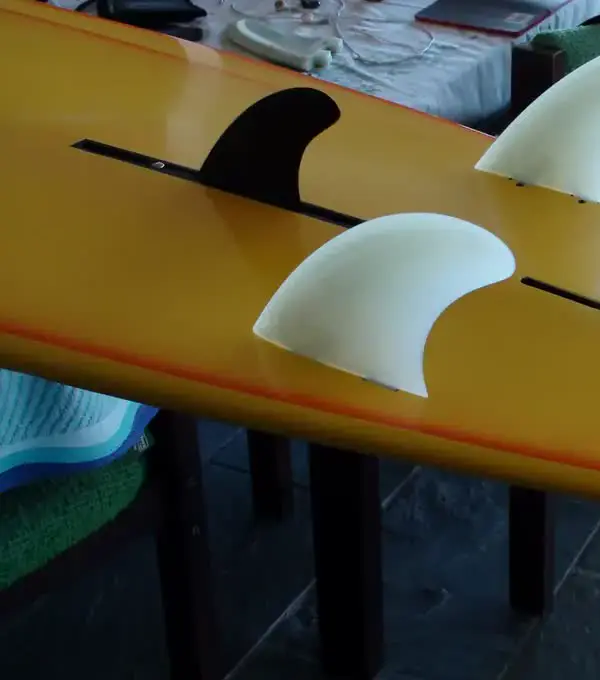
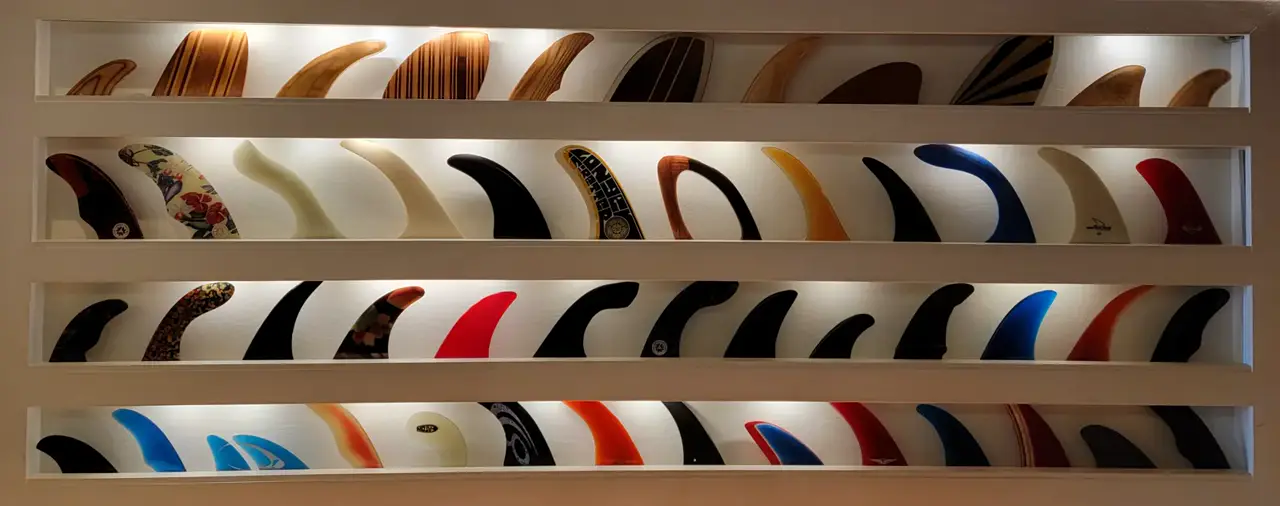
No surfboard is complete without its fins, and the innovation extends here too. Sustainable surf fins are increasingly made from recycled plastics, plant-based composites, or even upcycled waste materials. FCS II Neo Glass Eco Fins, for example, incorporate low-carbon resin, while others use recycled PET bottles or even reclaimed fishing nets.
Choosing sustainable surf fins doesn't mean sacrificing performance. Many eco-fin technologies are designed to offer comparable flex patterns, drive, and hold as their traditional counterparts, ensuring that the surfboard performance metrics remain uncompromised. For a deeper dive into fin setups, check out our Fin Systems Guide.
Data-Driven Performance Metrics: Eco vs. Traditional
One of the biggest questions surrounding eco-friendly surfboards 2026 is how they stack up against traditional boards in terms of raw performance. Modern testing, leveraging advanced sensors and expert feedback, provides clear answers.
Flex & Responsiveness
- Traditional PU/Poly boards: Known for their classic flex and 'lively' feel, offering good sensitivity. However, they can be prone to pressure dents and aren't always the most durable.
- Eco-composite/Bio-resin boards: Often show impressive flex memory and dampening properties. Experienced shapers like Dan Mann note that bio-composites can offer a more consistent flex pattern from nose to tail, translating to predictable turns and explosive pop off the lip. Lab tests using deflection sensors show certain bio-resins returning to original shape faster after significant load, indicating better responsiveness.
Pro Tip: Pay attention to a board's 'flex memory.' A good eco-board should snap back quickly after a turn, translating stored energy into drive down the line.
Durability & Lifespan
This is where bio-composite surfboards often excel. Traditional boards can ding easily and yellow over time. Modern eco-boards, especially those utilizing basalt or flax fibers, demonstrate superior impact resistance. A study by Sustainable Surf showed that certain ECOBOARD-certified constructions exhibited up to 30% greater resistance to heel dents and small impacts compared to standard PU/PE boards. This extended lifespan contributes to sustainability by reducing the frequency of board replacement and the associated manufacturing impact. Our Repair Center can help prolong any board's life, but starting with a durable eco-board is a significant advantage.
Weight & Buoyancy
Weight is a crucial surfboard performance metric. While early eco-boards sometimes struggled with weight consistency, advancements in 2026 surfboard materials have closed the gap. Bio-based foams can now be engineered to precise densities, often matching or even improving upon traditional blanks. The result is a light, buoyant board that paddles well and feels lively underfoot. For help understanding how board volume impacts buoyancy and paddle power, use our Volume Calculator.
Real-World Wave Testing
Ultimately, performance is judged in the water. Pro surfers and industry experts are increasingly validating the performance of eco-friendly surfboards 2026. Surfline's independent reviews frequently highlight the excellent feel and drive of new eco-models, noting that any perceived performance gap with traditional boards has largely vanished. Pro surfers like John John Florence and Kolohe Andino, while not exclusively riding eco-boards, have experimented with sustainable constructions and provided positive feedback on their ride characteristics, especially concerning speed and responsiveness.
<table style="width:100%; border-collapse: collapse;"> <thead> <tr> <th style="border: 1px solid #ddd; padding: 8px; text-align: left;">Performance Metric</th> <th style="border: 1px solid #ddd; padding: 8px; text-align: left;">Traditional (PU/Poly)</th> <th style="border: 1px solid #ddd; padding: 8px; text-align: left;">Eco-Friendly (Bio-Comp/Bio-Resin)</th> </tr> </thead> <tbody> <tr> <td style="border: 1px solid #ddd; padding: 8px;">Carbon Footprint</td> <td style="border: 1px solid #ddd; padding: 8px;">High (petroleum-intensive)</td> <td style="border: 1px solid #ddd; padding: 8px;">Significantly Lower (bio-based, recycled)</td> </tr> <tr> <td style="border: 1px solid #ddd; padding: 8px;">Flex & Responsiveness</td> <td style="border: 1px solid #ddd; padding: 8px;">Classic, lively; can be inconsistent</td> <td style="border: 1px solid #ddd; padding: 8px;">Consistent, good flex memory; excellent dampening</td> </tr> <tr> <td style="border: 1px solid #ddd; padding: 8px;">Durability</td> <td style="border: 1px solid #ddd; padding: 8px;">Moderate (prone to pressure dents)</td> <td style="border: 1px solid #ddd; padding: 8px;">High (improved impact resistance)</td> </tr> <tr> <td style="border: 1px solid #ddd; padding: 8px;">Weight Consistency</td> <td style="border: 1px solid #ddd; padding: 8px;">Good</td> <td style="border: 1px solid #ddd; padding: 8px;">Excellent (precision engineered foams)</td> </tr> <tr> <td style="border: 1px solid #ddd; padding: 8px;">VOC Emissions (Shaping)</td> <td style="border: 1px solid #ddd; padding: 8px;">High</td> <td style="border: 1px solid #ddd; padding: 8px;">Much Lower</td> </tr> </tbody> </table>Leading the Charge: Brands and Innovations for 2026
Several brands are at the forefront of the eco-friendly surfboards 2026 movement. They are investing heavily in R&D, collaborating with material scientists, and pushing the boundaries of sustainable design.
Global Brands Embracing Sustainability
Companies like Lib Tech, Firewire, and Aviso have been pioneers in alternative constructions, many of which inherently align with sustainability goals. Lib Tech, for example, utilizes a unique 'eco-impacto' construction with nitrogenated cell foam and bio-matrix resin, producing boards renowned for their durability and lively feel. Firewire's various technologies, including their 'LFT' (Linear Flex Technology) and 'Helium' constructions, often incorporate recycled EPS and bio-epoxy resins. These brands prove that high-performance surfing can go hand-in-hand with environmental stewardship. For a breakdown of different board types and their common constructions, refer to our Board Types Guide.
Pro Tip: Don't just look for 'eco' in the name. Dig into the specific materials and certifications used by the brand to verify genuine sustainable practices.
The Future of Surfboard Manufacturing
The industry is moving towards more localized, cleaner manufacturing processes. Innovations in 3D printing and robotic shaping, when combined with sustainable materials, promise to further reduce waste and energy consumption. The concept of a fully circular surfboard economy, where old boards are recycled into new ones, is no longer a distant dream but a tangible goal for 2026 surfboard materials development.
Choosing Your Eco-Friendly Surfboard in 2026
Making the switch to an eco-friendly surfboard 2026 is an impactful decision. Consider your surfing level, preferred waves, and personal values. The good news is that there's an eco-board for every type of surfer and every type of wave.
What to Look For
- Certifications: As mentioned, ECOBOARD Project labels are a reliable indicator of verifiable sustainable practices.
- Material Breakdown: Understand what the board is made of. Ask about the foam, resin, and fiberglass/natural fibers.
- Shaper Philosophy: Many independent shapers are also embracing sustainable materials. Support those who align with your values.
- Local Availability: Sourcing locally reduces shipping emissions, further enhancing the eco-credentials of your purchase.
Pro Tip: Test ride an eco-board! Many surf shops offer demo days or rentals. The best way to understand the performance difference is to feel it under your feet. Consider using our Board Finder Quiz to narrow down your options, then seek out eco-friendly versions of those recommendations.
The Environmental Impact Beyond the Board
While eco-friendly surfboards 2026 significantly reduce the impact of the board itself, remember that overall surfing sustainability extends further. Consider your entire surf kit, including wetsuits made from natural rubber, leashes from recycled materials, and even your travel choices to the beach. Every small step contributes to preserving the oceans we love.
Conclusion: Surfing Towards a Sustainable Horizon
The future of surfing is undeniably sustainable, with eco-friendly surfboards 2026 leading the charge. The data clearly shows that these boards are no longer a compromise; they offer competitive, and often superior, surfboard performance metrics while dramatically reducing environmental impact. From sustainable surf fins to bio-composite surfboards and advanced 2026 surfboard materials, the industry is innovating at an unprecedented pace. By choosing an eco-friendly board, surfers are making a statement—that our passion for the ocean extends to protecting it. Embrace the future of surfing; it's cleaner, greener, and just as thrilling. Ready to find your next eco-friendly ride? Our the board finder can provide personalized recommendations based on your preferences and the latest sustainable innovations.
Frequently Asked Questions (FAQ)
What makes a surfboard eco-friendly?
An eco-friendly surfboard 2026 is made using materials with a lower environmental impact, such as bio-based resins, recycled foams, natural fibers like flax or basalt, and non-toxic manufacturing processes, significantly reducing its carbon footprint compared to traditional boards.
Do eco-friendly surfboards perform as well as traditional ones?
Yes, modern eco-friendly surfboards 2026 are designed to offer comparable or even superior surfboard performance metrics in terms of flex, responsiveness, durability, and weight. Advancements in 2026 surfboard materials have closed any historical performance gaps.
Are eco-friendly surfboards more expensive?
Initially, some eco-friendly options might have a slightly higher upfront cost due to newer technologies and smaller production scales. However, their enhanced durability and longer lifespan can offer better value over time, reducing the need for frequent replacements.
What are bio-composite surfboards?
Bio-composite surfboards use natural fibers like flax or hemp in place of traditional fiberglass, combined with bio-resins, to create a stronger, more flexible, and environmentally friendly construction. These materials offer excellent dampening and impact resistance.
How can I verify if a surfboard is truly eco-friendly?
Look for third-party certifications like the ECOBOARD Project label by Sustainable Surf. These programs independently audit materials and manufacturing processes, ensuring transparency and verifiable environmental claims for eco-friendly surfboards 2026.
External Authority Links:
- Learn more about sustainable initiatives in surfing at the World Surf League: www.worldsurfleague.com
- Find expert board reviews and surf forecasts on Surfline: www.surfline.com
- Explore in-depth articles on surfboard technology and culture at Stab Magazine: www.stabmag.com