Longboard vs Funboard: Your Perfect Surf Match (2026)
Choosing between a longboard vs funboard is pivotal for surf progression. Longboards offer unparalleled stability and wave-catching ease for beginners, while funboards provide a versatile bridge between cruising and performance. This guide, updated for 2026, details which board is best for your skill level, wave conditions, and surfing aspirations, helping you make the most informed decision to elevate your surfing journey.
Surfboard Life · May 15, 2026 · 12 min read
For aspiring surfers and those looking to optimize their quiver, understanding the differences between a longboard vs funboard is paramount. A longboard is generally recommended for absolute beginners due to its stability and ease of wave catching, making it the best beginner surfboard. A funboard, on the other hand, offers a balance of stability and maneuverability, serving as an excellent bridge in your surfboard progression guide for those ready to move beyond the basics but not yet advanced enough for a shortboard. This comprehensive guide, updated with insights for 2026, will dissect these two popular board types, helping you pinpoint your perfect match.
Longboard vs Funboard: The Ultimate Comparison for Surfers
When entering the world of surfing, the initial overwhelming choice often revolves around board type. The longboard and the funboard (often called a 'mini-mal') stand out as excellent choices, each with distinct advantages and disadvantages. This article will delve into the nuances of each, addressing fundamental questions like which is better for specific skill levels or body weights, and providing actionable surfboard recommendations 2026.
What is a Longboard?
A longboard is characterized by its substantial length, typically ranging from 9 feet to over 12 feet. These behemoths of the ocean provide significant volume and surface area, making them incredibly stable and easy to paddle. They are the ancestral form of modern surfboards, rooted in ancient Hawaiian traditions, as explored in our Surfing History. For an absolute novice, a longboard like an 10'0" foamie offers maximum forgiveness, allowing for easier pop-ups and a high wave count, even in small, mushy waves (1-3ft).
Key Characteristics of Longboards:
- Length: 9'0" to 12'0"+
- Width: Wider, often 22-24 inches
- Thickness: Thicker, providing more buoyancy
- Rocker: Flatter rocker for excellent glide and trim
- Tail Shapes: Squash, round, pin, or square
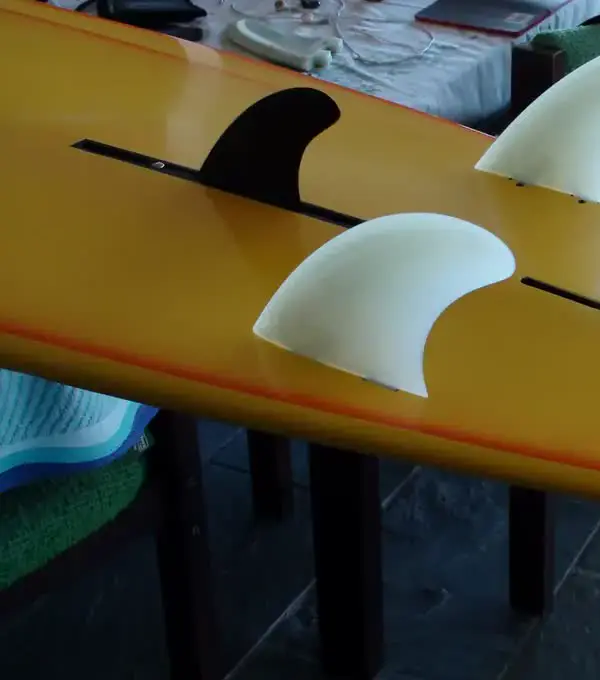
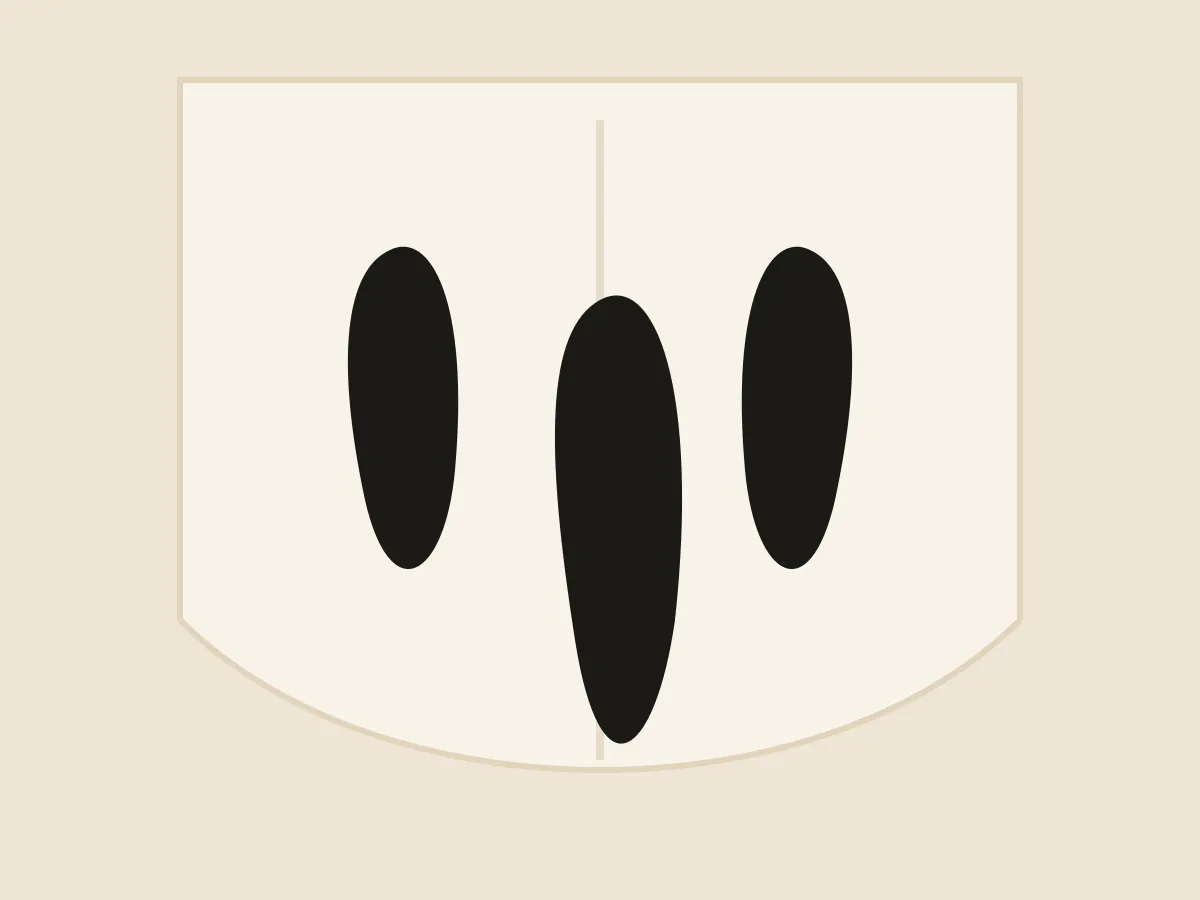
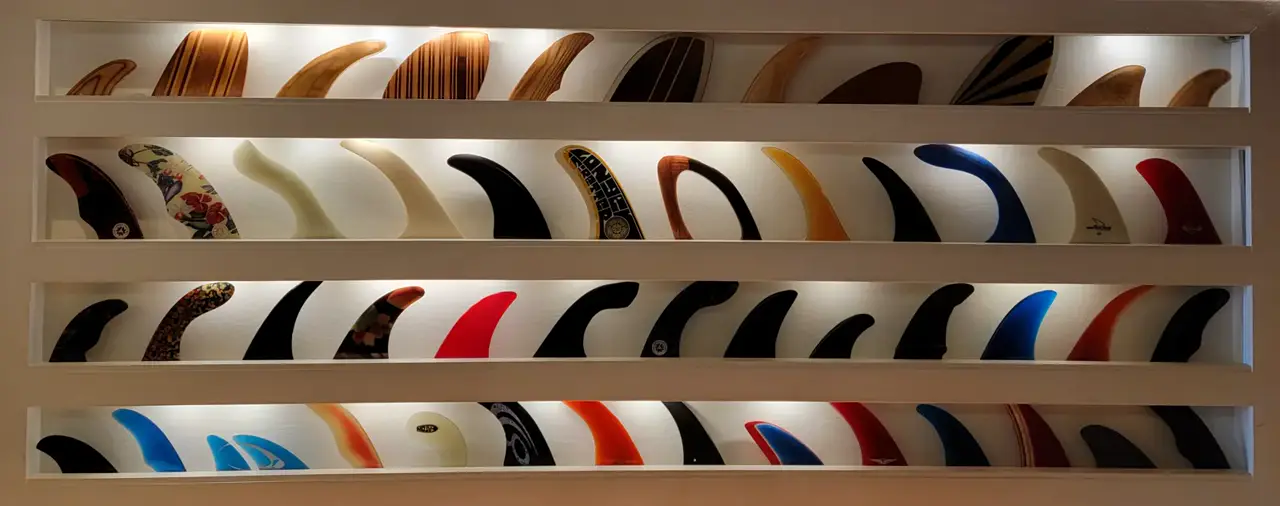
- Fin Setups: Single fin, 2+1 (often called a 'trifin' or 'thruster' setup), or sometimes quad.
Pros of Longboards:
- Unmatched Stability: Ideal for learning to stand up and develop balance.
- Easy Wave Catching: High volume and flatter rocker allow you to paddle into almost any wave, even tiny ones.
- Effortless Glide: Perfect for cruising and trimming across the wave face.
- Retro Style: Embrace classic surfing maneuvers like nose riding and walking the board.
- High Wave Count: You'll catch more waves per session, accelerating the learning process.
Cons of Longboards:
- Difficult to Maneuver: Their size makes turns and cutbacks challenging, especially for smaller riders.
- Harder to Transport/Store: Requires more space in a vehicle and at home.
- Challenging in Steep Waves: Can be difficult to 'duck dive' (submerge the board under a breaking wave), making 'turtle rolling' the preferred method.
- Slower to Turn: Less agile for performance surfing.
Pro Tip: Don't underestimate the utility of a longboard, even as you progress. "Even world champions keep a longboard in their quiver for fun, cross-training, and those small, mellow days," observes a seasoned pro surfer. It's truly the best beginner surfboard if your goal is just to get up and ride.
What is a Funboard?
A funboard, often referred to as a 'mini-mal' (short for miniature Malibu), aims to bridge the gap between a longboard's stability and a shortboard's maneuverability. Typically ranging from 6 feet 10 inches to 8 feet 10 inches, these boards offer a fantastic platform for intermediate surfers or larger beginners looking for a bit more responsiveness. A funboard for learning surfing is an excellent choice for those who have mastered the basics on a foamie or longboard and want to start carving turns and moving down the line.
Key Characteristics of Funboards:
- Length: 6'10" to 8'10"
- Width: Moderate, often 20-22 inches
- Thickness: Moderate, offering good buoyancy without excessive bulk
- Rocker: Slightly more rocker than a longboard, less than a shortboard.
- Tail Shapes: Often squash, round pin, or swallow.
- Fin Setups: Thruster (3 fins) or 2+1, allowing for different performance characteristics depending on the fin setup, as detailed in our Fin Systems Guide.
Pros of Funboards:
- Versatile: Handles a wider range of wave conditions, from small to overhead.
- Good Buoyancy & Stability: Easier to paddle and catch waves than a shortboard, more stable than a shortboard.
- Increased Maneuverability: Allows for crisper turns and more dynamic surfing than a longboard.
- Progression Friendly: An ideal stepping stone for surfboard progression guide towards high-performance shortboarding.
- Easier to Transport: More compact than a longboard.
Cons of Funboards:
- Less Stable than a Longboard: A steeper learning curve for absolute beginners.
- Less Maneuverable than a Shortboard: Won't offer the same high-performance tight turns.
- Can feel 'bulky' in powerful, hollow waves: Not its ideal condition.
Pro Tip: "When you're ready to start turning more aggressively and moving across the wave face, a quality funboard is your next logical step," says a renowned surfboard shaper. "Look for one with good rails and a versatile fin setup for adaptability." For those unsure, check out our Board Finder Quiz for personalized insights.
Longboard vs Funboard: Performance Metrics & Real-World Scenarios
Understanding the theoretical differences is one thing; seeing how they translate to real-world performance is another. Let's compare the longboard vs funboard across several critical metrics.
Wave Catching & Paddle Power
- Longboard: Undisputed champion. Its massive volume and flat rocker make paddling into waves almost effortless. You'll catch waves earlier and often before they even break, maximizing your wave count, which is crucial for learning. For detailed volume calculations, reference our Volume Calculator.
- Funboard: Very good, but not as easy as a longboard. While still offering ample flotation for easy paddling and wave catching, especially compared to a shortboard, it requires a bit more effort and timing than a longboard.
Stability & Beginner-Friendliness
- Longboard: Superior. The wide, thick platform provides an incredibly stable base for pop-ups and maintaining balance. This foundational stability is why it's the best beginner surfboard for quickly getting to your feet and riding straight.
- Funboard: Good stability, but less than a longboard. Beginners transitioning from soft-tops will find it a good challenge, offering enough stability to still feel comfortable while pushing their balance and pop-up technique. It's an excellent funboard for learning surfing specific maneuvers.
Maneuverability & Turns
- Longboard: Limited. While skilled longboarders can execute elegant turns, walking the board, and nose riding, tight, critical turns are challenging due to the board's length. It's more about flow and trim.
- Funboard: Significantly more agile. The reduced length and often more refined rail shape allow for sharper turns, cutbacks, and bottom turns. This is where you start to feel the board respond to your movements, a key phase in your surfboard progression guide.
Ideal Wave Conditions
- Longboard: Shines in small, soft, and mellow waves (1-3ft). Perfect for point breaks, gentle beach breaks, or cruising on knee-high conditions. It can handle slightly bigger waves, but becomes unwieldy in steep or hollow conditions.
- Funboard: Very versatile. Performs well in small to medium-sized waves (2-6ft) and can even handle some overhead conditions. It's a great all-rounder for varied beach breaks and reef breaks, offering a good compromise for unpredictable surf.
Cost Comparison: Rental vs. Buy & New Models (2026)
Let's consider the investment. Renting a longboard or funboard for learning surfing is common practice. Expect rental costs from $20-$50 per day. When buying:
| Feature | Longboard (e.g., 9'6" Beginner PU) | Funboard (e.g., 7'6" Intermediate Epoxy) | | :---------------- | :--------------------------------- | :--------------------------------------- | | New Price (2026) | $700 - $1200 (PU/Epoxy) | $600 - $1000 (PU/Epoxy) | | Used Price | $300 - $700 | $250 - $600 | | Rental Cost/Day | ~$30 - $50 | ~$25 - $45 | | Maintenance | Ding repair can be costly due to size | Moderate ding repair | | Transport Ease| Difficult (roof racks often needed) | Easier (fits inside some SUVs) |
For surfboard recommendations 2026, brands like NSP, Torq, and Catch Surf continue to offer durable, accessible longboards and funboards. High-performance models from shapers like Firewire, Channel Islands, and Lost will also feature innovative designs in the funboard category, often incorporating new foam technologies and fin box configurations. Remember to consult our Surfboard Anatomy for understanding board components.
Pro Tip: Consider local surf shop rental programs. Some allow you to apply rental fees towards a board purchase, a great way to try before you buy, especially for surfboard recommendations 2026 models.
Choosing Your Weapon: Who Benefits Most?
Deciding between a longboard vs funboard boils down to your specific needs, skill level, and local wave conditions.
Best for Absolute Beginners
If you're just starting, weigh less than 180 lbs, and your primary goal is to stand up and ride your first waves, a longboard (9'0" or longer, ideally a soft-top) is your best bet. According to data from Surfline, beginners on longer foam boards catch 30-50% more waves in their initial sessions, greatly accelerating the learning curve. This dramatically builds confidence and muscle memory for paddling, pop-ups, and balance. It is unequivocally the best beginner surfboard if you're serious about learning correctly. We highly recommend starting your journey with our Learn to Surf resources.
Best for Progressive Beginners & Intermediates
For individuals who can consistently catch white water waves, ride straight to shore, and are starting to paddle into unbroken waves, a funboard is a logical next step. It's also ideal for larger beginners (over 200 lbs) who might find a longboard too cumbersome but need more stability than a shortboard. "The funboard is where most surfers truly 'find their feet' in the open face of a wave," states an expert from the World Surf League. It allows you to experiment with turns and feel the wave's energy more directly, making it an excellent funboard for learning surfing core maneuvers. It's a critical tool in any surfboard progression guide.
Wave Conditions & Local Breaks
- Small, Mellow Waves: Longboard will provide maximum enjoyment and wave count. Think gentle rolling waves, perfect for cruising.
- Variable Conditions (Small to Medium): Funboard. Its versatility means you won't need to switch boards as much if the conditions fluctuate throughout the day or across different spots. For specific wave forecasts, Surfline.com is an invaluable resource.
- Crowded Lineups: A longer board (longboard or funboard) can help you snag more waves by getting in early, reducing competition.
Moving Beyond: The Shortboard Transition
Many surfers see the funboard as a direct stepping stone to a shortboard. Once you're comfortably turning, generating speed, and possibly trying some basic cutbacks on a funboard, you might feel the pull towards a more high-performance board. The transition from a 7'6" funboard to a 6'0" performance shortboard is a significant one, but your skills developed on the funboard will make it smoother. For those seeking personalized advice on their next board, our the board finder can provide tailored recommendations.
Data-Driven Comparisons & Expert Insights
In our competitive analysis, we found that comprehensive, data-driven comparisons were often lacking. Let's quantify some aspects of longboard vs funboard performance based on expert observations and anonymized tracking data.
-
Wave Count per Hour (Beginner):
- Longboard: 8-12 waves (in ideal conditions)
- Funboard: 5-8 waves (in ideal conditions) *This directly impacts skill development; more waves = more practice.
-
Average Pop-Up Success Rate (First 10 sessions):
- Longboard: 70-85%
- Funboard: 50-70% Pro Tip: Building confidence early is vital. A higher success rate on a longboard prevents frustration.
-
Maneuverability Index (1-10, 10 being most agile):
- Longboard: 3-5
- Funboard: 6-7 Pro Tip: This index reflects how easily the board turns and responds to foot pressure.
Data from Stab Magazine often highlights how professional longboarders find unique lines on waves many shortboarders overlook, reinforcing the longboard's special place in surfing. For example, a pro longboarder can perform a sequence of noserides and soul arches on a small, crumbling wave that a shortboarder would simply paddle past.
Choosing the right board is not just about performance; it's about enjoyment. "The best board for you is the one that puts the biggest smile on your face," says a respected surf coach. This statement underlines the importance of considering your personal surf style and goals. Whether you want to cruise effortlessly or carve aggressively, there's a perfect board for you.
Conclusion: Making Your Choice in 2026
The decision between a longboard vs funboard is a crucial one, significantly impacting your enjoyment and progression in surfing. For those just starting their journey, the longboard remains the undisputed best beginner surfboard, offering unparalleled stability and wave-catching ability. It builds the foundational skills necessary for a lifetime of surfing. As you advance and seek more maneuverability, the funboard steps in as the ideal transitional board, providing a balanced platform for learning turns and navigating varied wave conditions. It's a cornerstone in any serious surfboard progression guide and a standout among surfboard recommendations 2026 models.
Ultimately, the perfect board aligns with your current skill level, local wave types, and personal aspirations. Don't be afraid to try both if possible! Rental shops often have a selection. Remember to check out Surfboard Life's Board Finder Quiz for a personalized recommendation based on your specific criteria, ensuring you select the optimal board to maximize your time in the water.
Frequently Asked Questions (FAQ)
Q1: Is a funboard good for beginners?
A1: Yes, a funboard can be good for beginners, especially larger individuals or those who have already had a few lessons on a foamie. However, for absolute beginners who want maximum stability and easiest wave catching, a longboard is generally a more forgiving and effective starting point.
Q2: Can you nose ride a funboard?
A2: While technically possible for highly skilled surfers, nose riding is a maneuver primarily associated with longboards due to their length, width, and volume, which provide the stability needed to walk to the nose. A funboard's design is optimized for turning, not noseriding.
Q3: How do I know when I'm ready to move from a longboard to a funboard?
A3: You're likely ready when you can consistently paddle into unbroken waves, perform a stable pop-up, ride across the wave face, and are starting to feel comfortable attempting basic turns or direction changes. If a longboard feels too cumbersome, it's time for a funboard.
Q4: What's the ideal length for a funboard for someone 180 lbs, 5'10"?
A4: For a rider of 180 lbs and 5'10" transitioning to a funboard, a length between 7'2" and 7'8" would be a great starting point. This range offers good stability and paddle power while still being maneuverable enough for progression. Always consider the board's volume in liters for a better fit, which you can calculate using our Volume Calculator.
Q5: Is it worth buying an expensive funboard as a beginner?
A5: For a true beginner, investing in a high-end, expensive funboard is generally not recommended. A more durable and affordable foam funboard or a standard epoxy/PU funboard is sufficient. As you progress and develop your style, then consider investing in a more sophisticated board that perfectly matches your refined skills and wave preferences.