Best Surfboard Knee High Waves: Your Guide to Small Wave Dominance
Discover the **best surfboard for knee high waves** to maximize your fun and wave count. This guide covers optimal board types, **small wave surfboard volume**, and crucial fin setups to help you glide effortlessly through even the weakest conditions. Unlock your potential with the right gear.
Surfboard Life · April 23, 2026 · 12 min read
For navigating the challenges of diminutive swells, the best surfboard for knee high waves is typically a board with increased volume, a flatter rocker, and a wider outline, designed to generate speed and maintain glide in weaker conditions. Boards like fish, hybrids, or mid-lengths excel, often pairing with twin or quad fin setups for maximum drive.
Catching waves when they're barely breaking can be one of surfing's biggest frustrations, yet also one of its purest joys when you have the right equipment. At Surfboard Life, we understand that flat, mushy, or knee-high conditions are a reality for many surfers, especially outside tropical paradises. The secret to transforming these sessions from frustrating paddlefests into stoke-filled glides lies squarely in your board choice. This comprehensive guide will arm you with the knowledge to select the absolute best surfboard for knee high waves, ensuring you're not just catching bumps, but actively carving and connecting sections. We'll delve into the science of small wave surfboard volume, explore strategic fin configurations like the fish surfboard fin setup, and provide a practical surfboard sizing chart for knee high conditions tailored to various skill levels. Whether you're an ambitious beginner, an intermediate small wave board seeker, or a seasoned pro looking to maximize fun, this is your ultimate resource.
Understanding the Dynamics of Knee-High Waves
Knee-high waves (typically 1-2 feet) present a unique challenge. They lack power, have a short wave period, and often break softly. To surf them effectively, your board needs to compensate for these deficiencies. The primary goals are easy wave-catching, maintaining speed, and generating lift. This is where the physics of surfboard design truly shines.
The Importance of Displacement and Lift
Unlike powerful, hollow waves that provide ample thrust, knee-high waves require a board that can glide across the surface with minimal resistance. This means prioritizing boards that displace more water for buoyancy (volume) and have design elements that create intrinsic lift. A flatter bottom contour and reduced rocker are key, as they prevent the nose from burying and help the board plane efficiently from the takeoff.
Experienced shapers often refer to this as 'planning area' combined with judicious distribution of foam. "For true knee-high conditions," observes one renowned California shaper, "you're essentially trying to hydroplane on minimal energy. Every inch of rail line, every subtle curve, needs to contribute to speed." For a deeper dive into surfboard anatomy, check out our Surfboard Anatomy guide.
The Best Board Types for Knee-High Waves
When it comes to selecting the best surfboard for knee high waves, certain board categories consistently outperform others. These designs prioritize wave-catching ability and speed generation over radical maneuverability or hold in powerful surf.
1. The Fish Surfboard: Your Small Wave Weapon
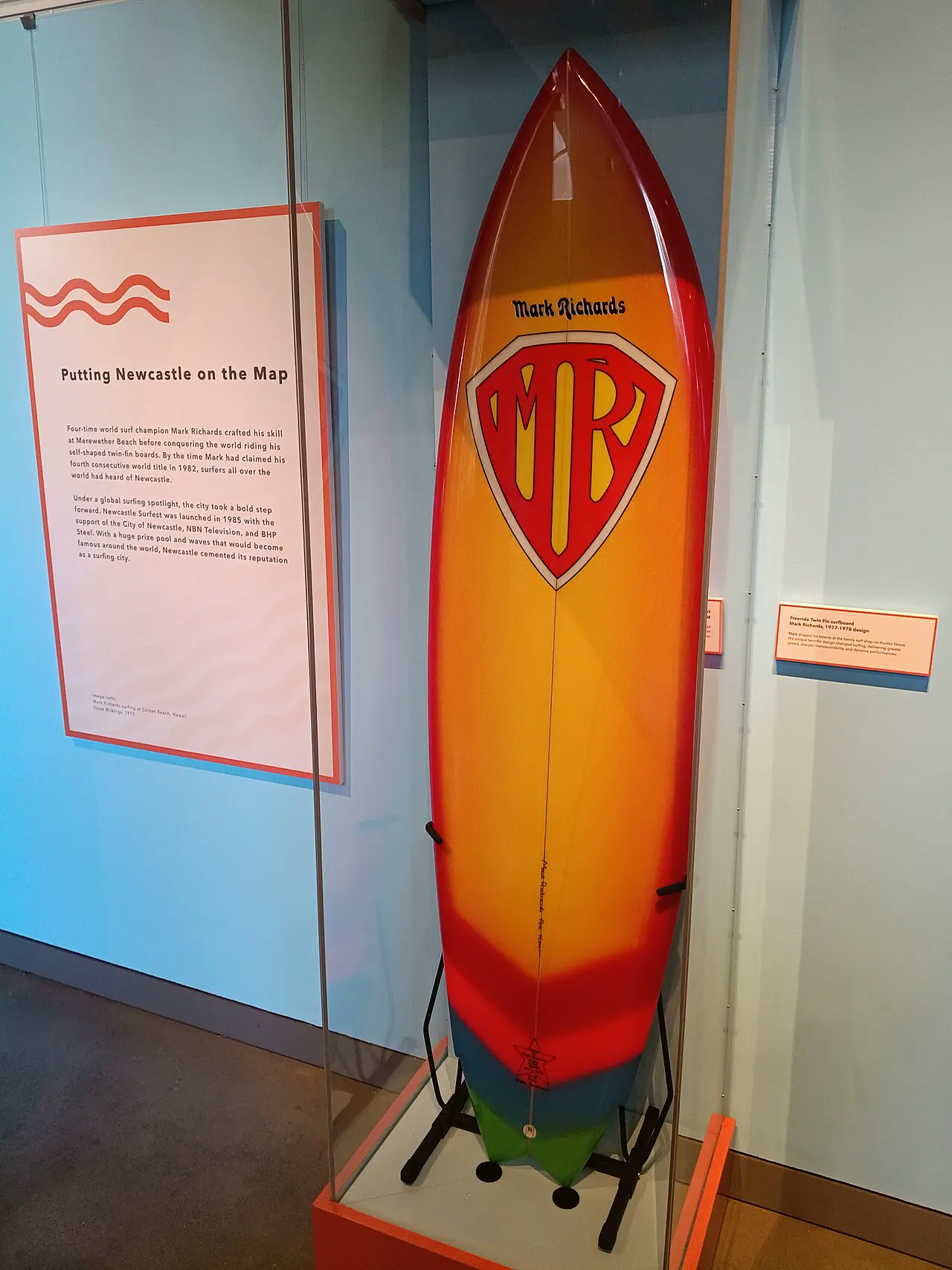
The fish surfboard, a timeless classic, is arguably the quintessential small wave board. Its characteristic wide outline, thick profile, and typically swallowtail design are perfect for knee-high conditions. The width provides stability and a large planing surface, making it incredibly fast even on the weakest waves. The swallowtail allows for quick turns while retaining rail-to-rail sensitivity, and the added tail area generates lift.
Key Characteristics:
- Width: Often 20-23 inches or more.
- Thickness: 2.25-3+ inches.
- Rocker: Very flat to low.
- Tail: Swallowtail or sometimes a deep swallow.
Many surfers transitioning from a longboard find a fish to be an excellent intermediate small wave board. It offers a forgiving ride and a high wave count without feeling overly cumbersome. If you're wondering which specific board type suits your style, our Board Types Guide provides a comprehensive overview.
2. Hybrid Surfboards: The Versatile All-Rounder
Hybrid surfboards blend elements from shortboards and fish/funboards, creating a highly adaptable design. They typically have more volume than a standard shortboard, with a wider nose and tail, but often maintain a slightly pulled-in rail or more aggressive rocker than a pure fish. This makes them fantastic for an array of conditions, including the occasional small day.
Pros for Knee-High Waves:
- Combines paddle power with reasonable maneuverability.
- Generally very forgiving.
- Great for progression.
3. Funboards / Mini-Malibus: Ease and Glide
For surfers prioritizing ease of paddling and a high wave count, a funboard (or mini-malibu) is an excellent choice. These are essentially scaled-down longboards, offering significant stability and floatation. They excel at catching waves early and providing a smooth, gliding ride, perfect for cruisy knee-high conditions. While not as nimble as a fish, they offer unparalleled accessibility.
Pro Tip: Don't be afraid to go longer! A 7'0"-8'6" funboard can be a blast on tiny days, allowing you to catch waves far out where others are struggling.
4. Mid-Length Surfboards: Style and Flow
Mid-lengths (6'6" to 8'6") are gaining immense popularity for their blend of paddle power, speed, and stylish flow. They offer more responsiveness than a traditional longboard but significantly more glide and wave-catching ability than a shortboard. Many mid-lengths feature flatter rockers and fuller rails, making them unexpectedly effective in knee-high conditions.
Cracking the Code: Small Wave Surfboard Volume
Volume is arguably the single most critical factor when selecting the best surfboard for knee high waves. It dictates paddle power, stability, and how easily the board planes. Measured in liters, volume represents the total buoyant displacement of the board.
For small, weak waves, you generally want more volume than you'd typically ride in overhead surf. This isn't about being 'over-foamed'; it's about matching the board's buoyancy to the wave's lack of power.
Recommended Small Wave Surfboard Volume Ranges
While personal preference and skill level play a role, here's a general surfboard sizing chart for knee high waves based on rider weight and experience:
| Rider Skill Level | Weight (lbs) | Volume (Liters) for Knee-High Waves | | :---------------- | :----------- | :---------------------------------- | | Beginner | <150 | 35-45+ | | | 150-180 | 40-50+ | | | >180 | 45-60+ | | Intermediate | <150 | 30-40 | | | 150-180 | 35-45 | | | >180 | 40-55 | | Advanced | <150 | 25-35 | | | 150-180 | 30-40 | | | >180 | 35-50 |
Note: These are general guidelines. Add 2-5 liters for boards specifically designed for tiny, mushy conditions. For a more precise calculation tailored to you, use our Volume Calculator.
"The biggest mistake I see," says a World Surf League analyst, "is surfers trying to ride their performance shortboard in ankle-biters. You're fighting the wave. Embrace volume, embrace glide. It's not about looking pro; it's about catching waves." (Source: World Surf League analysis, worldsurfleague.com)
Pro Tip: When in doubt, add a liter or two. It's better to have too much volume and catch every wave than too little and spend your session paddling. The goal for best surfboard knee high waves is maximum wave count!
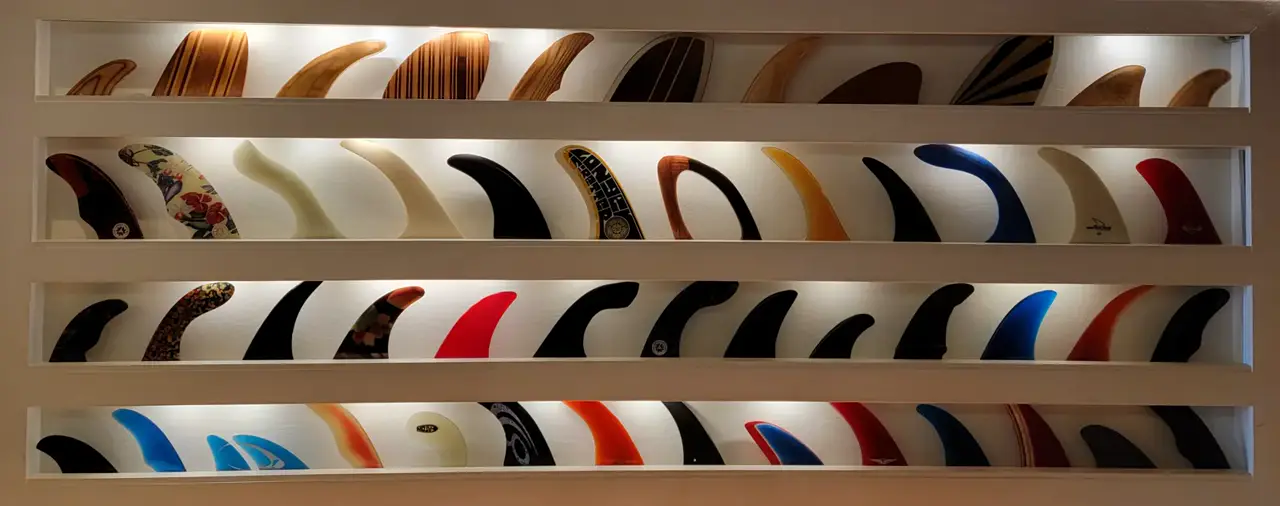
The Critical Fish Surfboard Fin Setup (and others)
Fins are the engine of your surfboard, and the right fin setup can dramatically enhance performance in knee-high waves.
Twin Fin Setup
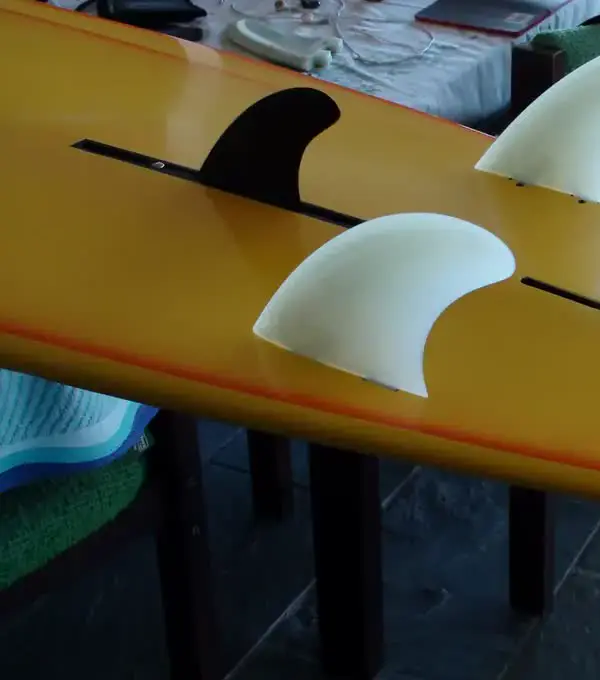
The twin fin is synonymous with the classic fish surfboard and is incredibly effective in small, weak surf. With only two large fins, it reduces drag and allows for a loose, skate-like feel. The larger surface area of twin fins generates immense drive and speed, essential for generating momentum on flat sections.
- Benefits: Speed, looseness, easy to turn, great flow.
- Ideal for: Classic fish, retro boards, making average waves fun.
Quad Fin Setup
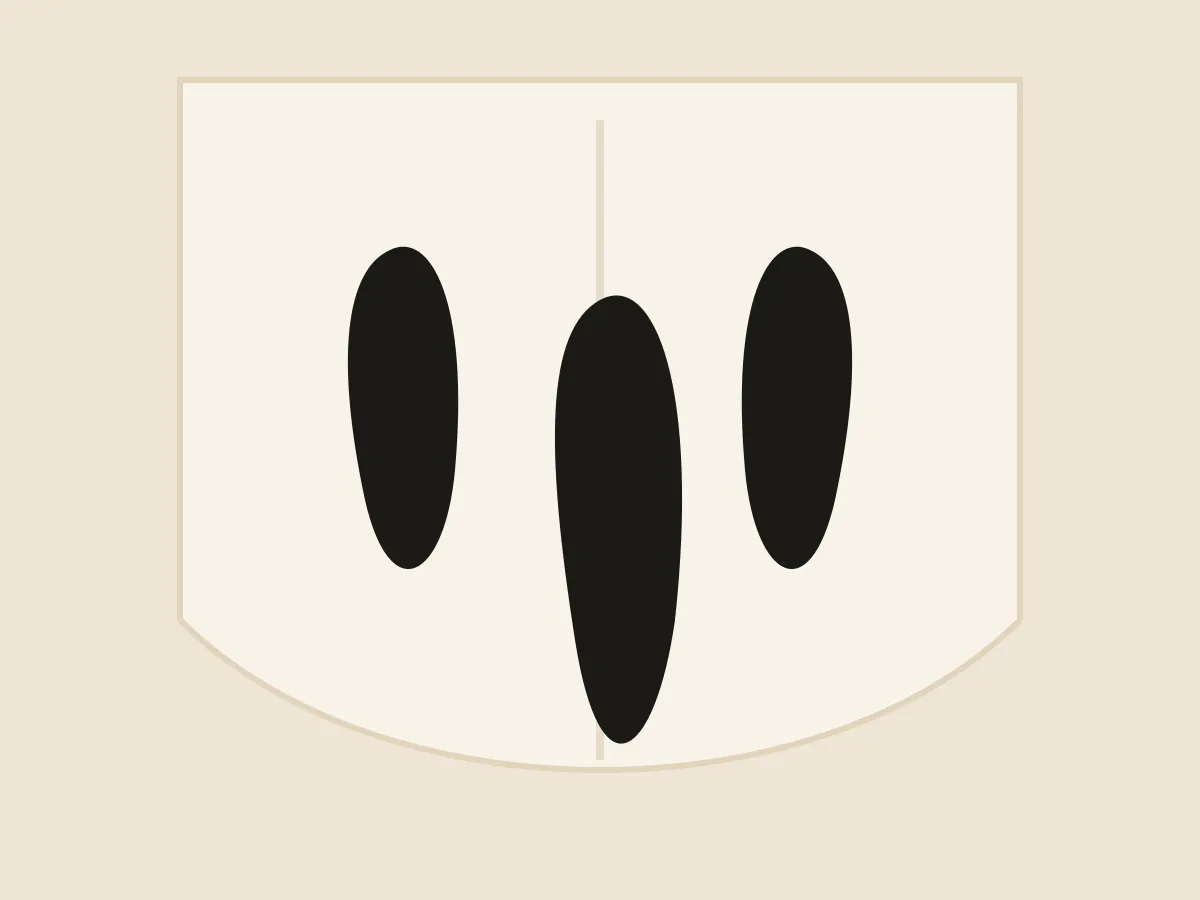
The quad fin setup (four fins) offers a fantastic blend of speed and control. It provides more drive than a twin fin due to the two trailing fins, and significantly more hold than a twin, without compromising the speed associated with reduced central drag (like a thruster). Many modern fish and hybrid boards are designed for quads.
- Benefits: Speed, drive, hold, better control than a twin.
- Ideal for: Versatile fish, hybrids, generating speed from nothing.
Thruster (3-fin) Setup
While less common for dedicated knee-high wave boards, many hybrid shapes come as thrusters. If using a thruster, opt for larger, stiffer fins to compensate for the lack of wave power. However, for pure speed in tiny waves, twin or quad setups usually outperform thrusters.
Single Fin and 2+1 Setup
Often found on mid-lengths and longboards, single fins and 2+1 setups (large central fin with two small side fins) are excellent for glide and flow. They offer predictable turns and a classic feel, perfect for a mellow cruise on knee-high rollers. The larger fin provides stability and drive, albeit with less radical maneuverability than a multi-fin setup. Explore more about fin systems in our Fin Systems Guide.
Pro Tip: Experiment with different fin sizes and materials. Softer, larger fins can provide more drive and flex in weak conditions, while stiffer fins might feel too rigid. Check out local surf shops for demo fins if possible.
What Makes an Intermediate Small Wave Board?
An intermediate small wave board bridges the gap between the ease of a beginner's longboard and the performance of a more advanced shortboard. It prioritizes stability and paddle power while offering improved maneuverability.
Key Features for Intermediates:
- Generous Volume: As per the chart above, leaning towards the higher end of the intermediate range.
- Wider Outline: Offers a larger planing surface and stability.
- Lower Rocker: Aids in speed generation and early wave entry.
- Versatile Fin Setup: Often convertible between a twin and quad, or a thruster with larger fins.
- Medium Rails: Not too sharp (which can be catchy), not too boxy (which can be sluggish). They offer a good balance of forgiveness and responsiveness.
Many modern fish and hybrid designs perfectly fit the bill as an intermediate small wave board. They allow you to catch plenty of waves, practice your turns, and develop your style without feeling under-gunned by the conditions.
Beyond Board Types: Design Elements for the Best Surfboard Knee High Waves
While board type and volume are paramount, subtle design characteristics also make a significant difference.
Rocker Profile: Flat is Fast
For knee-high waves, a flatter rocker (the curve from nose to tail) is your friend. It helps the board plane easily and carry speed across flat sections. Too much rocker will cause the board to bog down and lose momentum in weak surf.
Outline and Planing Area
A wider nose and tail, coupled with a generous overall width, provides a larger planing area. This creates lift and stability, making it easier to paddle into waves and maintain speed once you're on your feet. "You want maximum foam where you need it most," explains a veteran Surfline contributor, "under your chest for paddling and through the tail for drive." (Source: Surfline, surfline.com)
Rail Shape
Fuller, boxier rails can offer more forgiveness and floatation in small waves, reducing the chance of catching an edge. However, overly boxy rails can feel sluggish. A medium-full rail provides a good balance for most surfers in knee-high conditions.
Unanswered Questions Addressed: Cost, Transitioning, and Specifics
What volume for different rider weights?
As detailed in our surfboard sizing chart knee high, rider weight is a major factor. For an average 160-180 lb intermediate small wave board rider, 35-45 liters would be an excellent starting point for knee-high waves. Lighter surfers (sub 150 lbs) might find 30-40 liters sufficient, while heavier surfers (180 lbs+) should look for 40-55+ liters. Always consider your fitness and paddling ability; less fit or less experienced surfers benefit from higher volumes.
Best brands/models under $750?
Many reputable brands offer excellent entry-level fish and hybrid boards that are perfect for knee-high waves. Look for models from makers like Catch Surf (foamies are fantastic fun), Lost RNF Redux (more performance-oriented), Firewire Seaside (premium but occasionally on sale), Album, and local shapers who often provide exceptional value. Brands like Catch Surf's Beater or Odysea series, or an appropriately sized soft-top, are fantastic for pure unadulterated fun and wave-catching in small surf, often well within the under-$750 budget. For personalized recommendations, try our Board Finder Quiz.
How to transition from longboard to fish?
Transitioning from a longboard to a fish (or a similar intermediate small wave board) is a natural progression for many. The key is to start with a fish that still has ample small wave surfboard volume. Don't jump to a super-short, low-volume performance fish immediately. Opt for a wider, thicker fish, perhaps in the 5'6" to 6'0" range, with a generous liter count (e.g., 35-45L). This will provide enough paddle power and stability to ease the transition while allowing you to experience the increased maneuverability. Focus on riding the wave closer to the pocket and initiating turns from your back foot, which will feel different from the longboard's middle-of-the-board turning.
Conclusion: Catch More Waves, Have More Fun
Mastering knee-high waves isn't about brute force; it's about clever design and thoughtful equipment choices. By understanding the critical role of small wave surfboard volume, selecting the right board type (like a fish or hybrid), and optimizing your fish surfboard fin setup, you can unlock incredible potential and significantly boost your wave count.
The best surfboard for knee high waves is one that compliments your skill level and maximizes your enjoyment. Don't be afraid to try different boards, experiment with fins, and embrace designs that prioritize speed and glide over high-performance turns. Your surfing will thank you for it, and every session, no matter how small the swell, will be an opportunity for pure stoke. Ready to find your perfect board? Dive deeper with our the board finder for personalized advice or explore our full range of board types at Surfboard Life.
Frequently Asked Questions (FAQ)
Q1: Can I use my regular shortboard in knee-high waves?
While technically possible, it's generally not recommended. Your regular shortboard is designed for more powerful waves and will lack the necessary volume and planing area to generate speed and catch waves easily in knee-high surf. You'll spend more time paddling and less time riding.
Q2: What's the main difference between a twin fin and a quad fin for small waves?
A twin fin offers maximum speed and a very loose, skate-like feel with less drag, making it excellent for generating speed in flat sections. A quad fin provides a similar speed advantage but adds more drive and hold through turns due to the two extra fins, offering a bit more control without sacrificing too much speed.
Q3: How do I know the correct small wave surfboard volume for me?
Use your body weight, skill level, and fitness as key indicators. Generally, for weaker waves, you'll want 5-10+ liters more than you'd ride in head-high surf. Our Volume Calculator is an ideal tool to get a precise recommendation tailored to your specific metrics.
Q4: Are soft-top surfboards good for knee-high waves?
Absolutely! Soft-top surfboards, especially those with generous volume and wider outlines, are fantastic for knee-high waves. They offer exceptional floatation, stability, and are incredibly durable, making them a fun and forgiving option for surfers of all levels.
Q5: What's a good entry-level intermediate small wave board specification?
For an average 160-180 lb intermediate, a fish or hybrid board around 5'6" to 6'0" long, 20.5-22 inches wide, 2.5-2.75 inches thick, with a volume of 35-42 liters, would be an excellent starting point. Look for a board with a flatter rocker and a versatile fin setup (like a twin or quad).